
How Norton Conquered Daytona
09 October 2026
HOW NORTON CONQUERED DAYTONA
Before Daytona’s famous high banks, there was the unforgiving Beach Course, where sand, surf and speed created one of motorcycle racing’s toughest challenges – and where Norton’s legendary Manx 500 found itself very much at home.
A Race Written in Sand
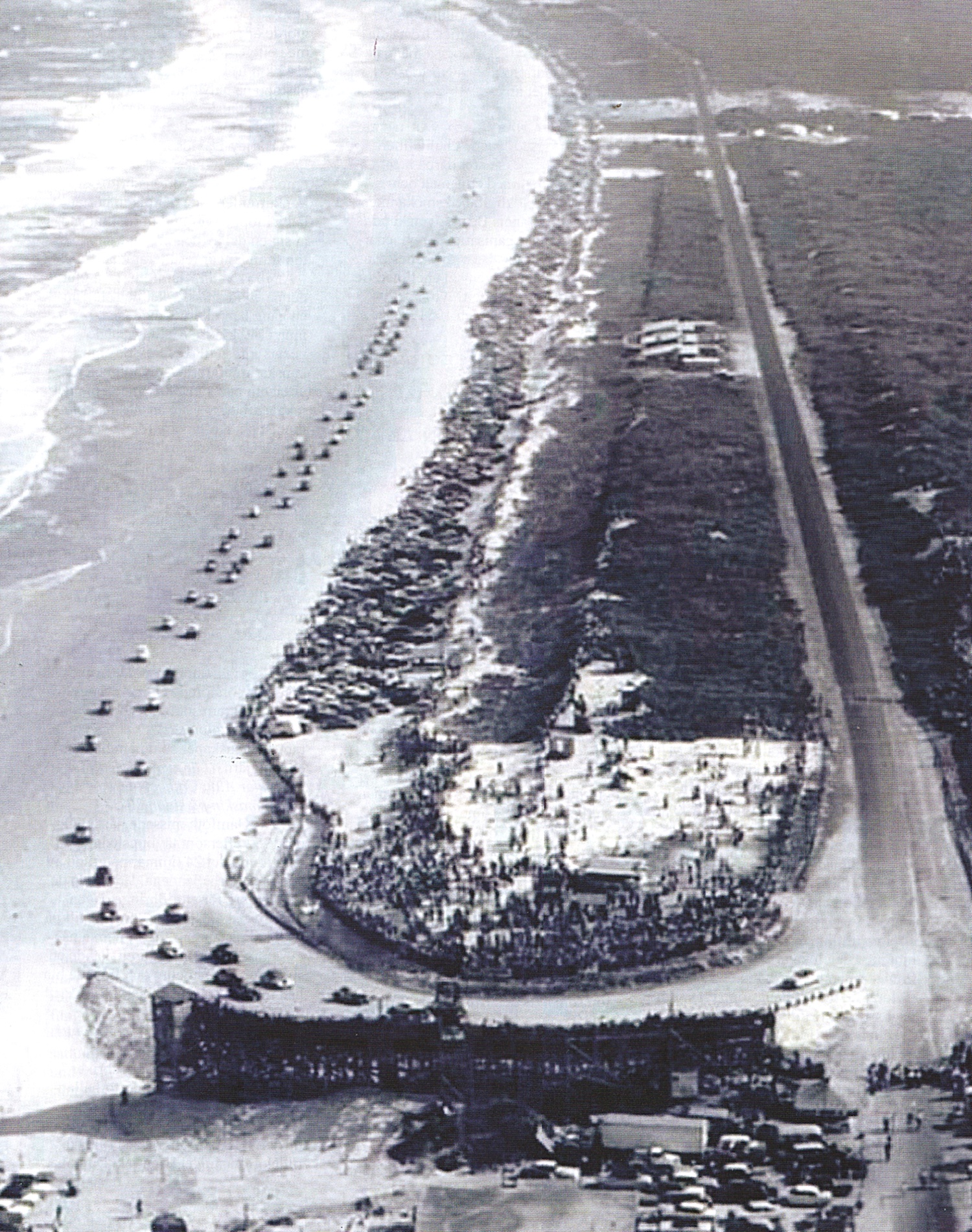
It's been more than 60 years since a race was last held there, but should you ever go to Daytona Beach, Florida and head south along the sand from the high-rise hotels and low-rise bars of the self-styled World's Most Famous Beach, you'll eventually come to the distinguishable remains of the old Beach Course, which hosted the running of the Daytona 200-mile race until 1961. In that year, the present-day Speedway with its famously steep 31-degree banking came into operation, leaving the palmetto shrubs on one side, and the rolling Atlantic breakers on the other, to gradually erode a piece of American racing history.
Two Miles Flat Out
First used for motorcycles in 1937, the Beach Course's North Turn is marked today by a weather-beaten hostelry aptly enough named the Old Timers' Bar. There's a cut through the sand dunes on to the road leading down to Ponce Inlet, which though now largely re-modelled, in some parts still shows traces of the narrow, bumpy tarmac straight along which riders ran flat out for two miles in a southerly direction, along the sand bar dividing the ocean from the Florida Inland Waterway.
There, they'd slow down before flinging their bikes to the left for the dead flat South Turn leading out onto the Beach, sending up rooster tails of sand as they accelerated wide open out towards the water where the sand was harder, and gave better grip. Then it was north for another two miles, again flat out in top gear, but this time treading the perilous path between water and land, before slowing once more for the slower North Turn, which took them left back onto the tarmac.
It was effectively two drag races on contrasting surfaces, connected by tight left hand turns that came with the added extra challenge of negotiating at speed a transition from sand to tarmac, then tarmac back to sand. Besides that, deep ruts would develop in both turns after a few laps, and moreover, when on the sand straight, it was both tricky and dangerous amongst the pack of riders of all different speeds, to keep your bike on that sweet spot of sand that was wet and firm, with this spot moving away from land towards the sea as the tide and race progressed.
A Test of Man and Machine
Indeed, a 4.2-mile track with only two corners may not sound like much, but as a gruelling test of man and machine, the Daytona 200 had few equals anywhere in the world as an arduous high-speed challenge, and especially in the post-WW2 era after the demise of England’s Brooklands bowl, and the USA’s earlier ‘Murderdrome’ board tracks.
The type of bike needed to be competitive on the Beach Course had to be an unusual compromise. It needed to be light, low and well balanced enough to be able to transition between the different surfaces at speed, with an engine that was going to spend 90 per cent of the two-and-a-half hour race running at peak revs flat out in either direction, with the rider glued to the tank and the throttle wide open on either straight for two miles at a time. It was a track for tough guys, and strong motorcycles.
Norton Takes the Fight to America
But it was in those difficult days for European manufacturers after WW2 that the British motorcycle industry discovered America, a vast potential market which for many years provided rich pickings. Success in competition, and especially in the crucial Daytona 200, was an important yardstick by which a marque's excellence was judged by American buyers, hence the reason that in 1948, Norton’s managing director Gilbert Smith decided to enter a team of specially prepared factory machines for the 200-miler.
That initial foray, under the guidance of noted British tuner Steve Lancefield, yielded a second place for tough, hard-drinking Canadian rider Bill Mathews. He’d already scored Norton’s debut Daytona 200 win in 1941, when he registered the first victory for a non-American bike, as well as for an international rider, by defeating the array of factory Harley-Davidson and Indian machines in the final race held there before Pearl Harbor, and the USA’s entry into World Ward II.
Mathews did so riding a 1939 single-cam Norton International customer model tuned to Manx spec by Norton’s Canadian importer, J.M. McGill of Toronto, setting a new record speed for the 200 miles by averaging 78.08mph, despite crashing out of the lead in the early stages, and remounting.
The First Daytona Battles
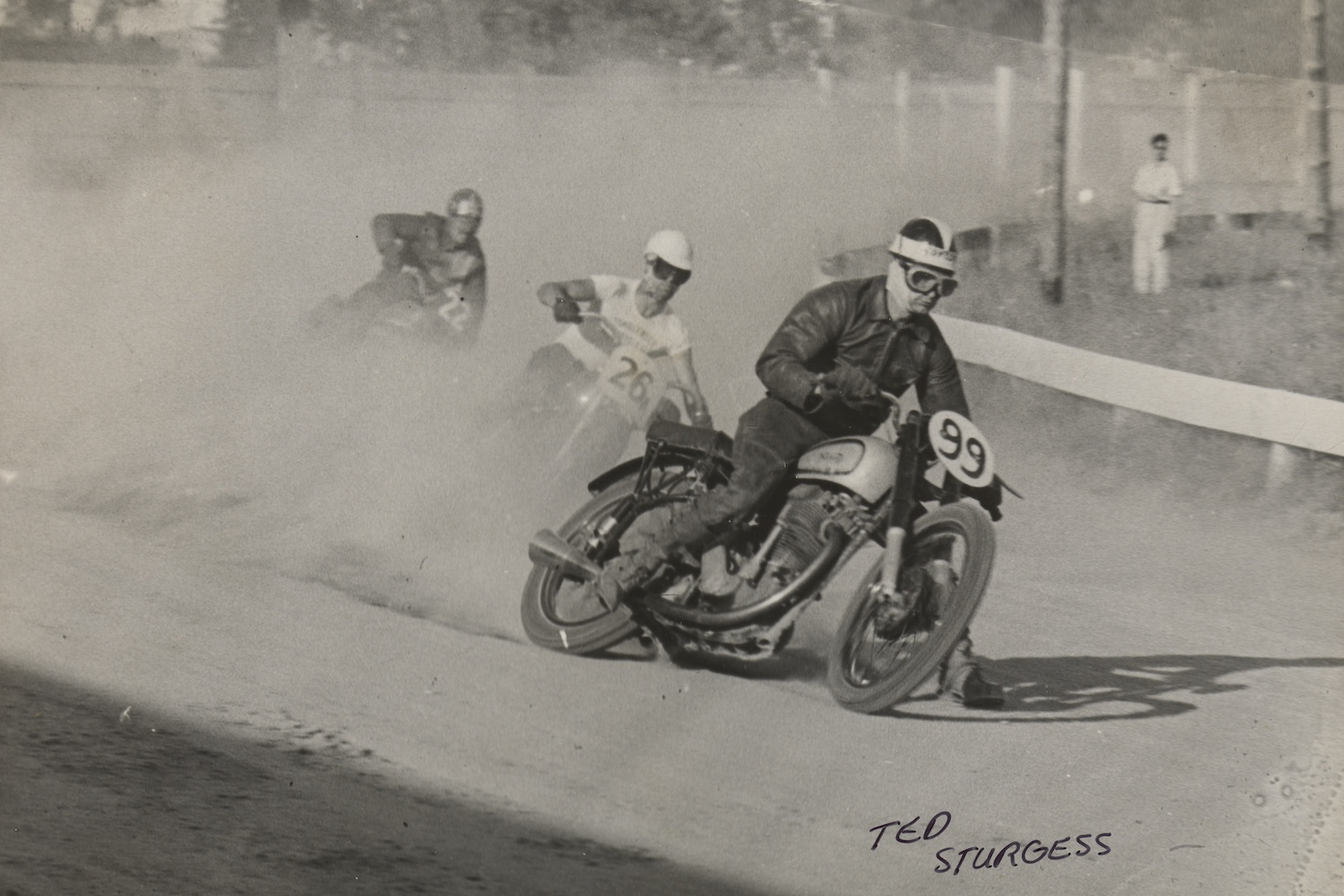
But in heading the no less than 26 single-cam Nortons that showed up in 1948 for the second Daytona 200 run after the war, Mathews could only finish second after a wheel-to-wheel battle with local favourite Floyd Emde’s Indian, having lost time at a pit stop when one of his team spilt fuel over the bike, and the engine had to be stopped – it was normal practice to keep it running while refueling.
Kickstarting the big, tuned single was hard work, and bump-starting it on the damp sand proved problematic – but the Canadian eventually got away and was originally acclaimed the winner, only to be deprived of victory after Indian lodged a protest, and AMA officials reversed the results after seven hours spent poring over the scoring charts for the 154-strong field of bikes in those pre-transponder days.
Finishing second best wasn't what Norton's tough-minded boss Smith wanted, so the following year Norton returned, but with another even more illustrious tuner in charge, Francis Beart, who was famed for his organisation and astute planning.

Three Victories in Three Years
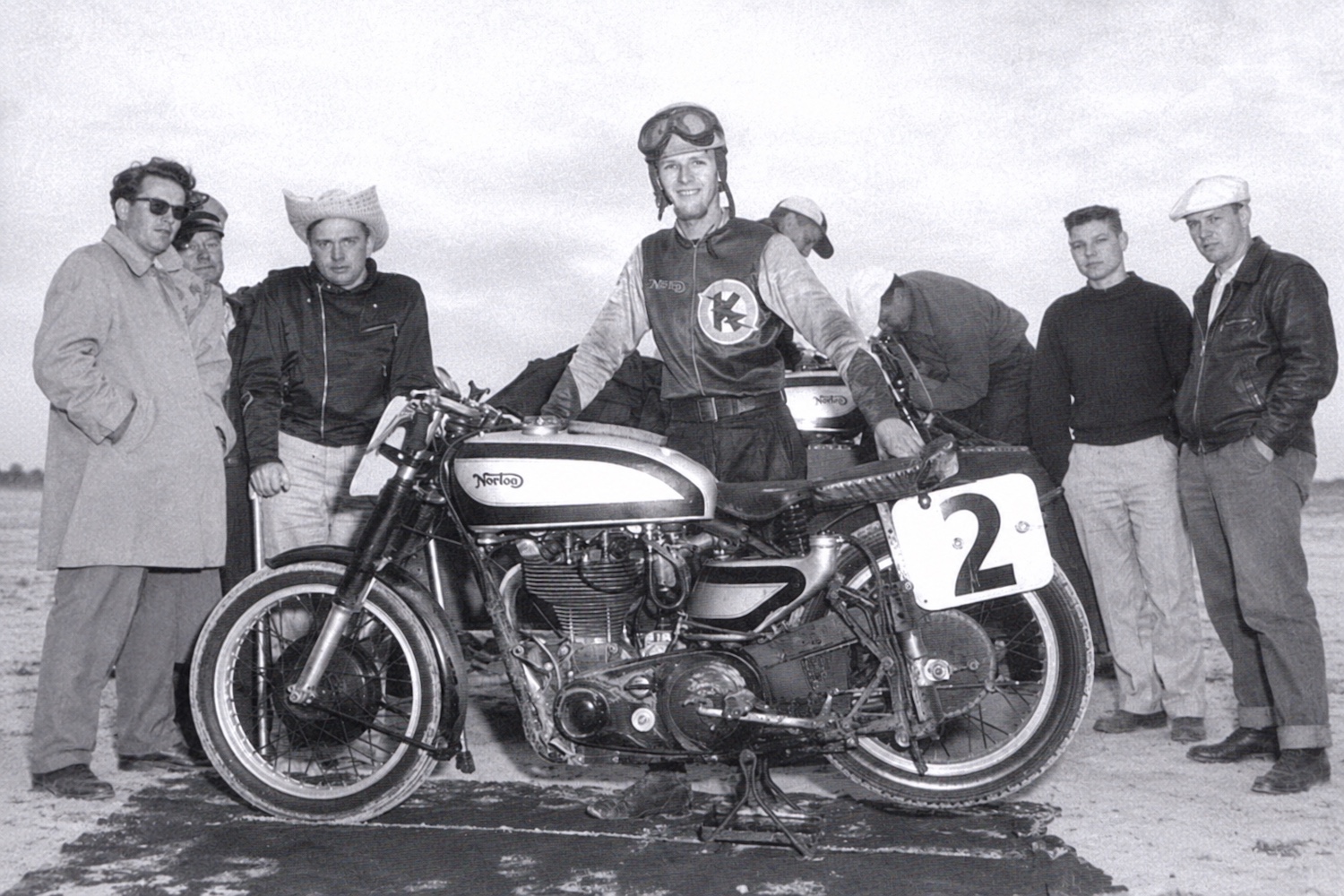
Beart rewarded Smith with three successive Daytona 200 victories for Norton on the Florida sand in 1949, 1950 and 1951, and that first ’49 win saw a Norton clean sweep of Victory Lane over the 154-bike field, with Dick Klamfoth from Columbus, Ohio winning a gruelling race lasting more than two hours by just 15sec from works Norton teammate Mathews.
He in turn was seven seconds ahead of Tex Luse, third on a similar but privateer Norton owned and tuned by Clarence Czysz – grandfather of Michael Czysz, later famous as the creator of the Isle of Man TT-winning MotoCzysz electric superbikes. Norton dominated Daytona that year with customer Don Evans winning the 100-mile Amateur race and Ted Tortoralis second.
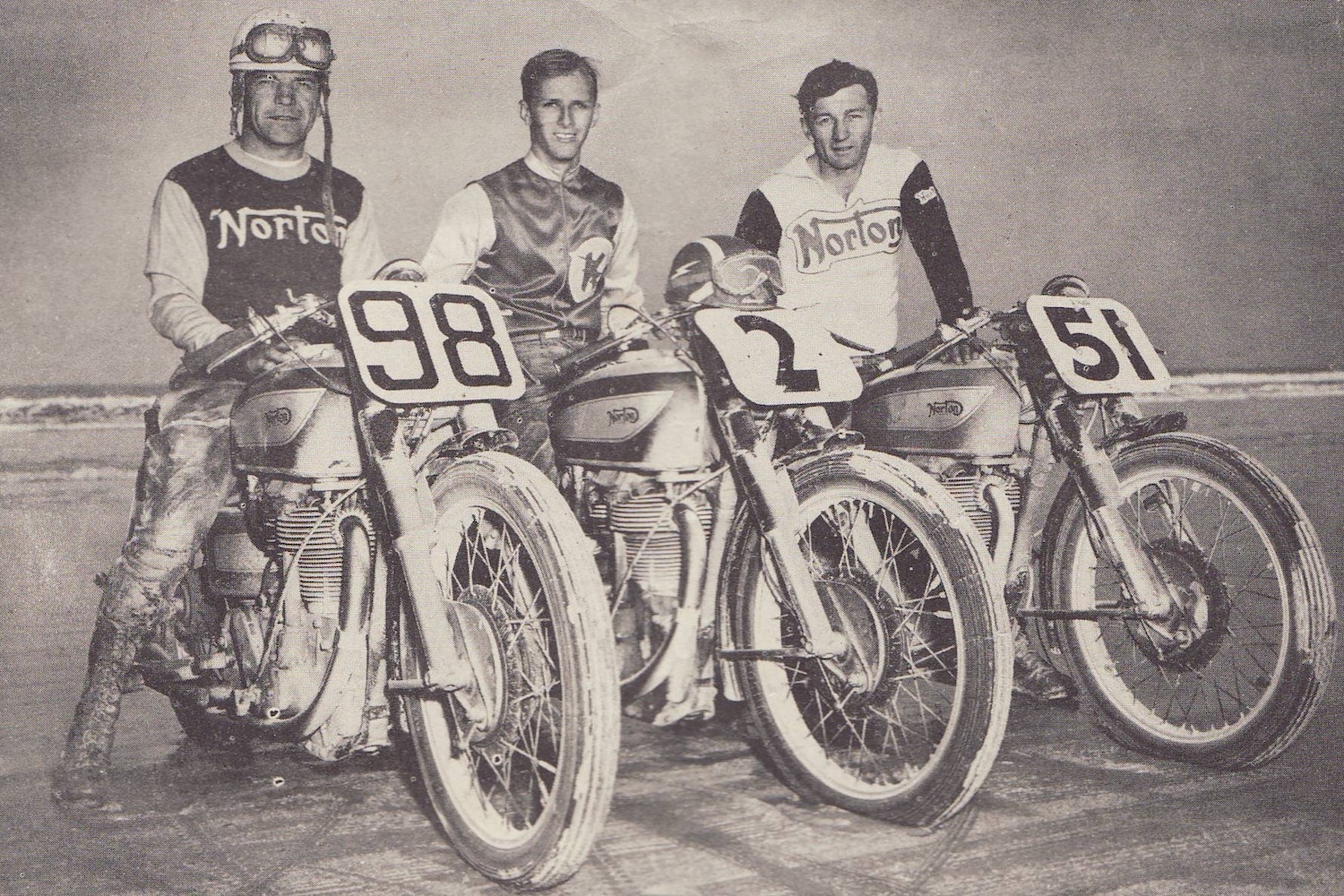
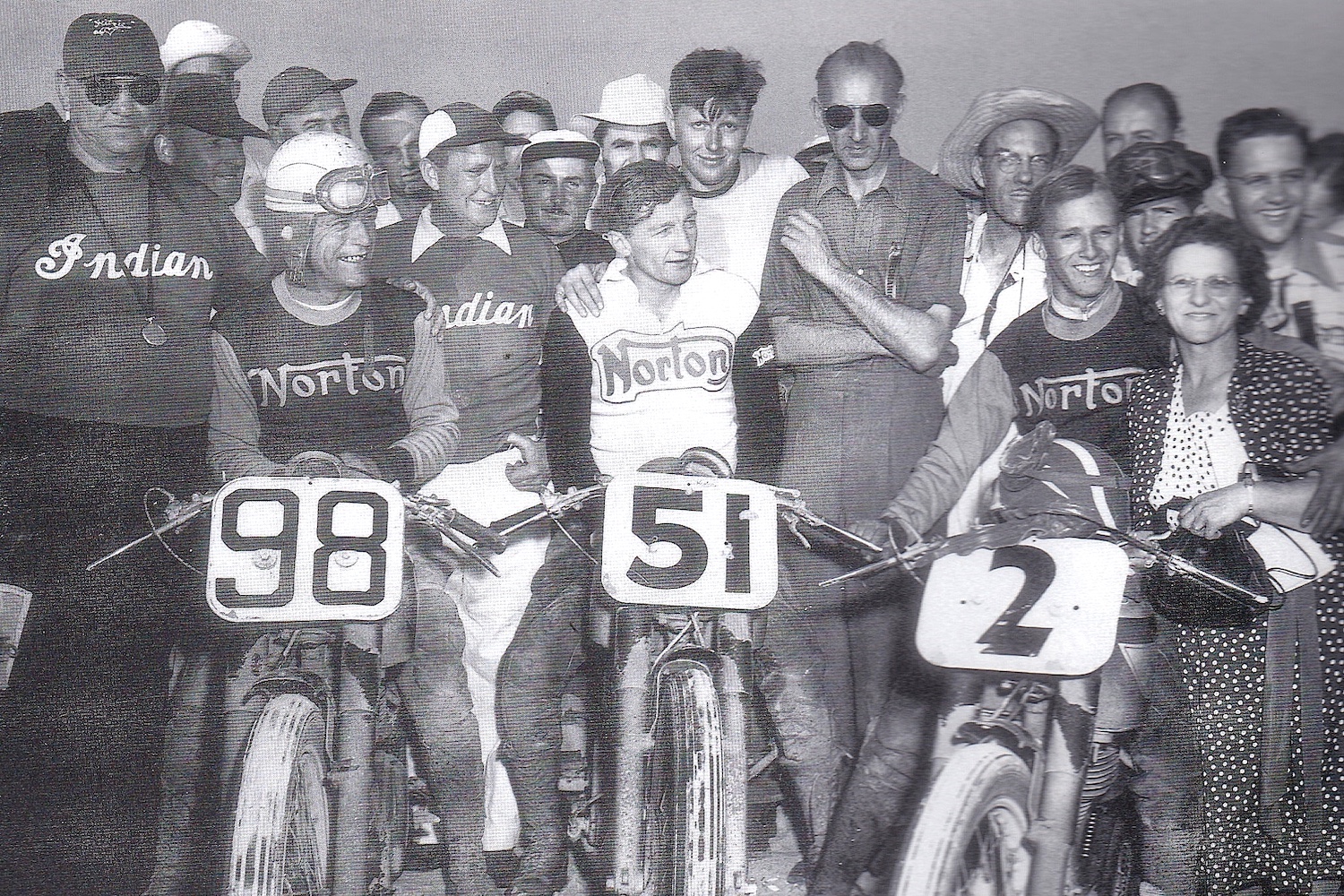
But in the 1950 Daytona 200 Mathews reversed the positions to finally repeat his 1941 victory with Klamfoth second, and four Nortons in the first seven home, although the race ended on a humorous note when Mathews celebrated a little too heavily after taking the checkered flag first by crashing his bike into the sand bank in Turn One.
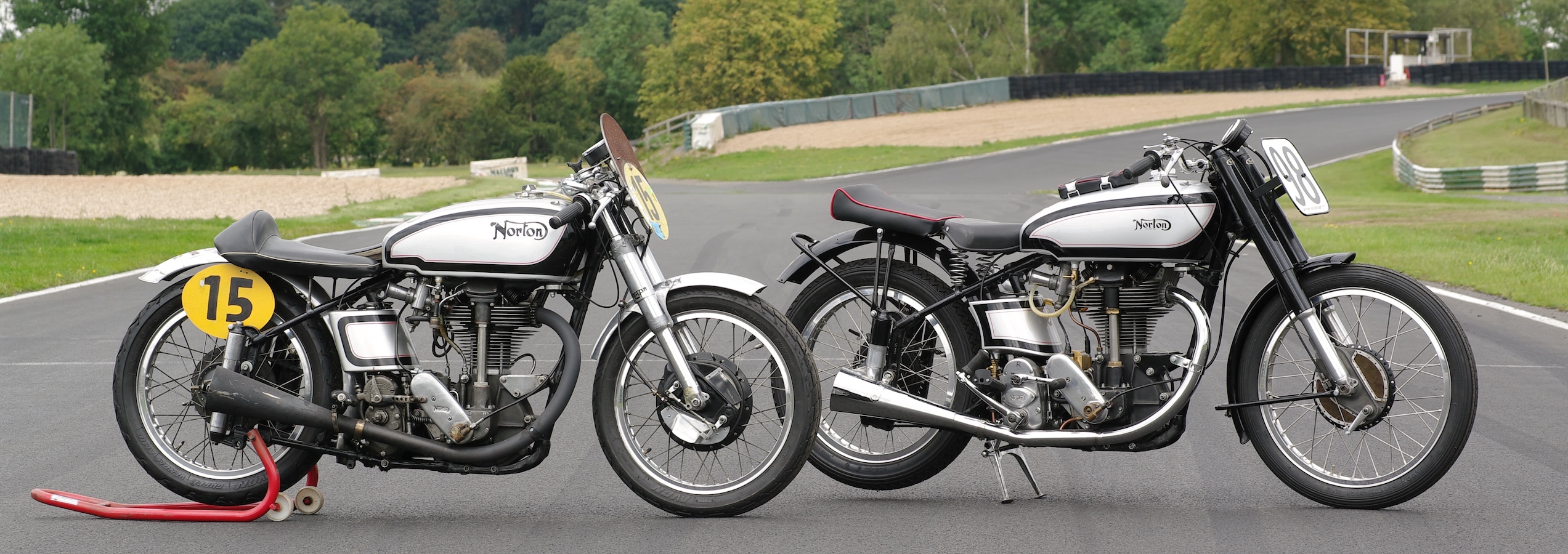
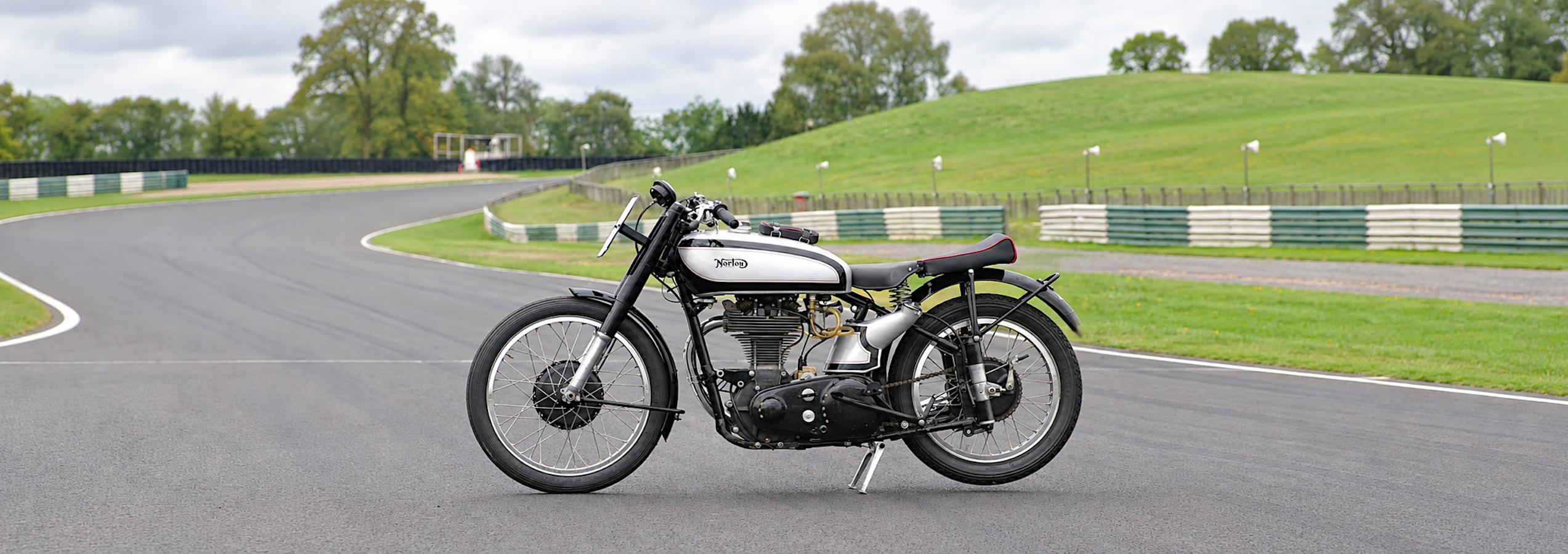
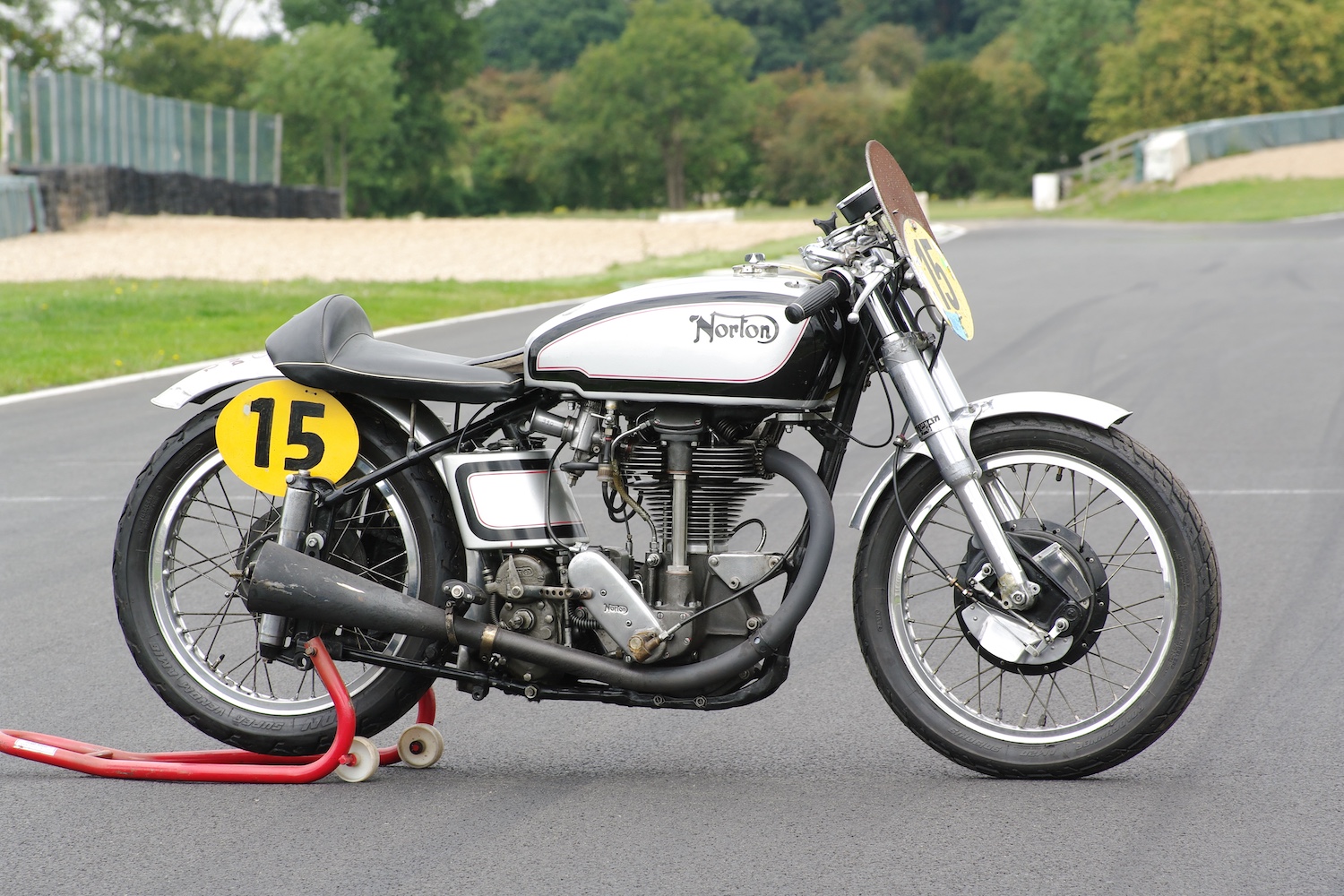
Nothing more than Mathews’ pride was damaged in the accident, but in winning, the Canadian earned victory on its international racing debut for one of the most famous customer motorcycle race engines the world has ever seen – the 'double-knocker' DOHC Manx Norton single.
The Manx Makes Its Mark
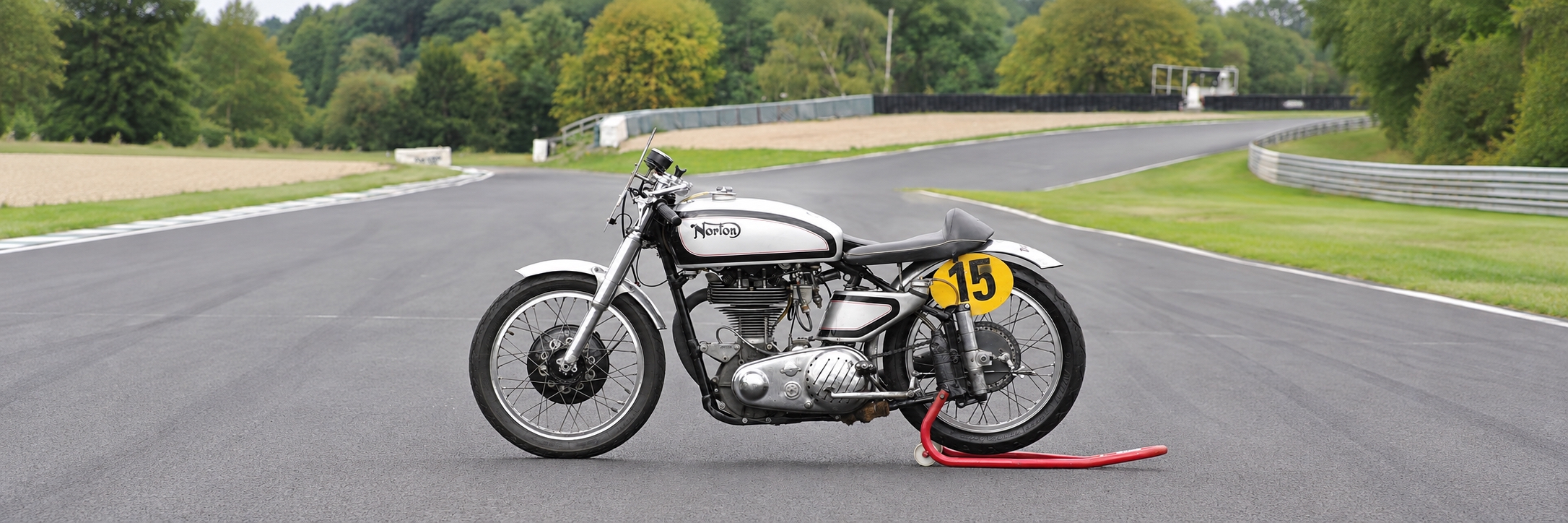
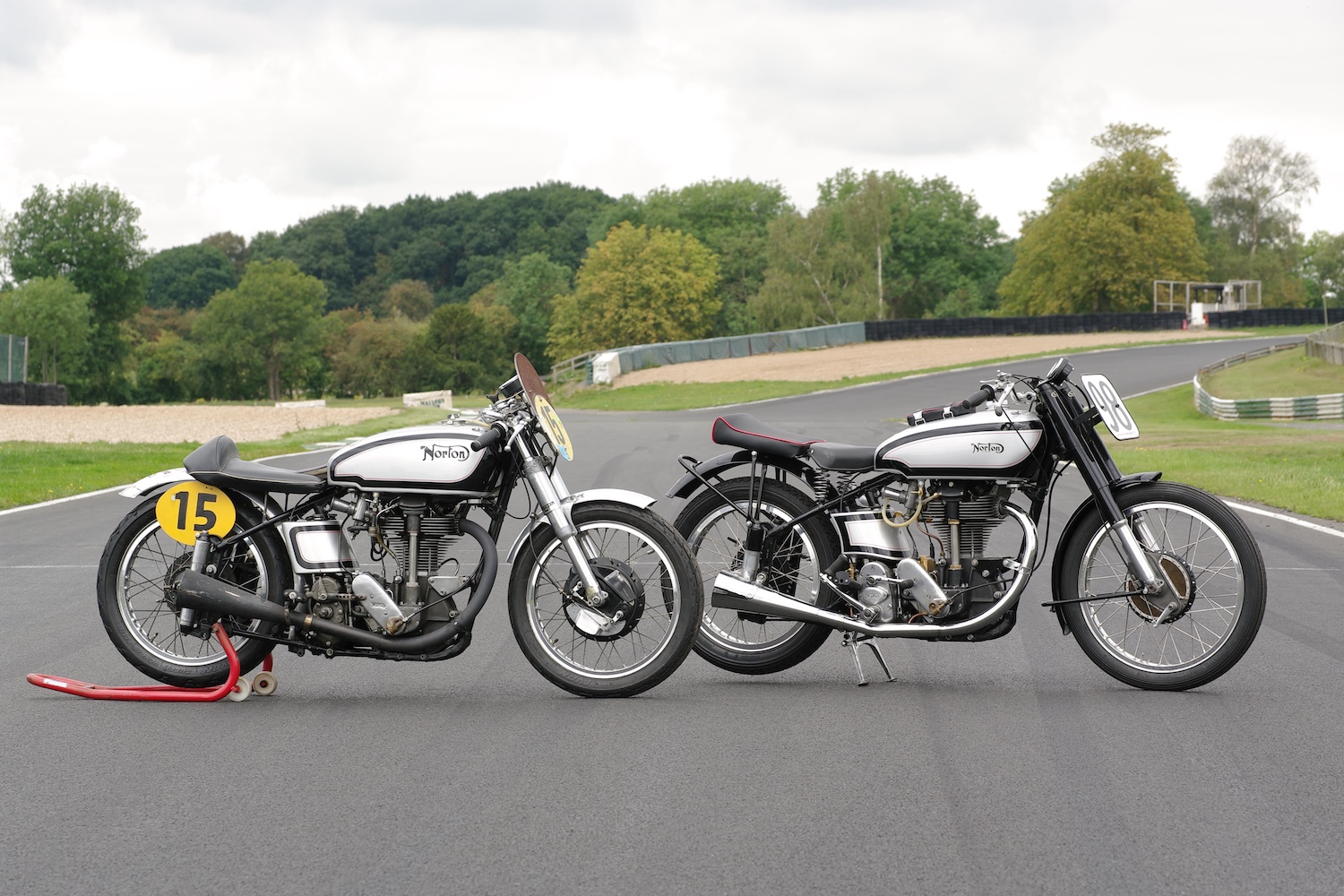
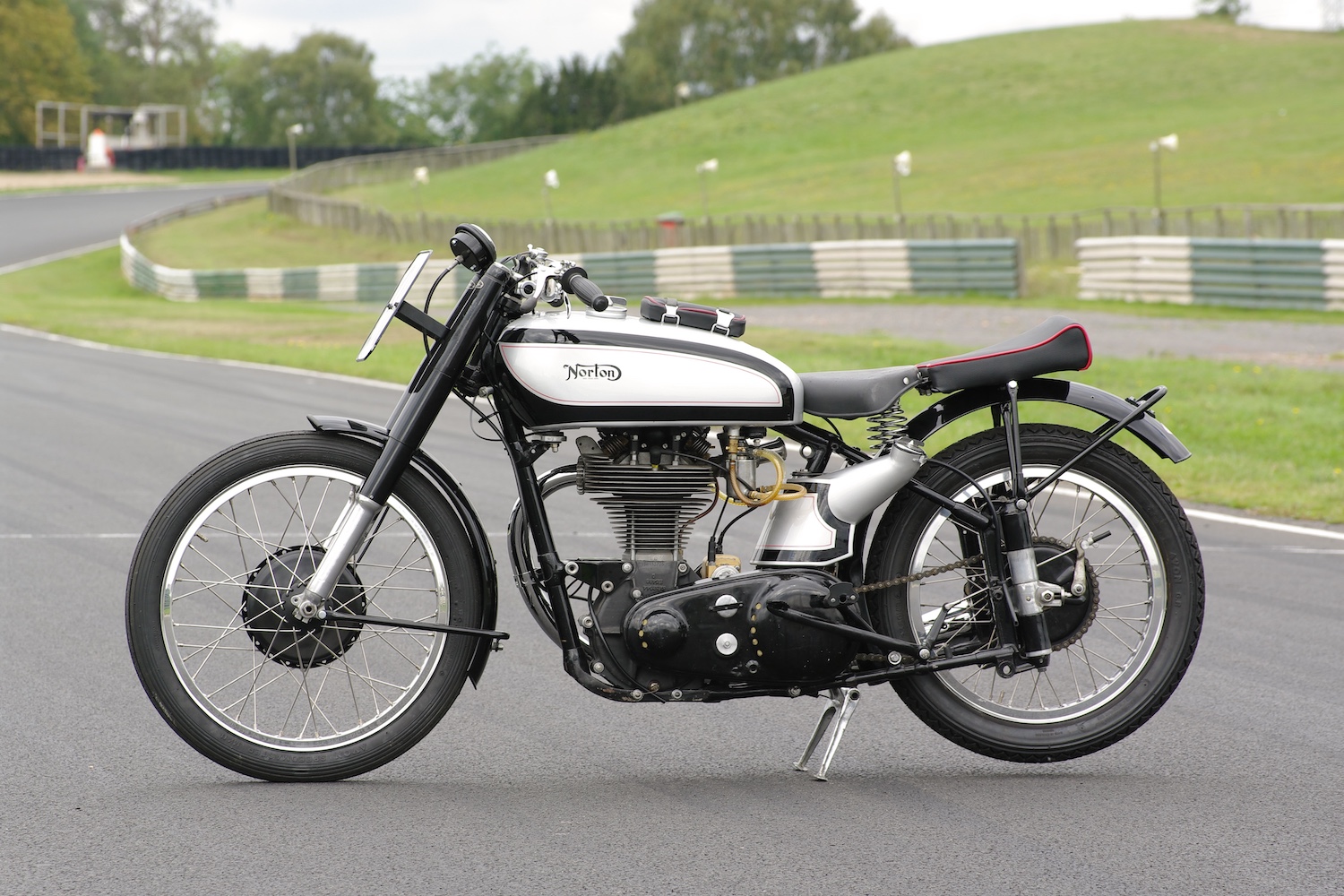
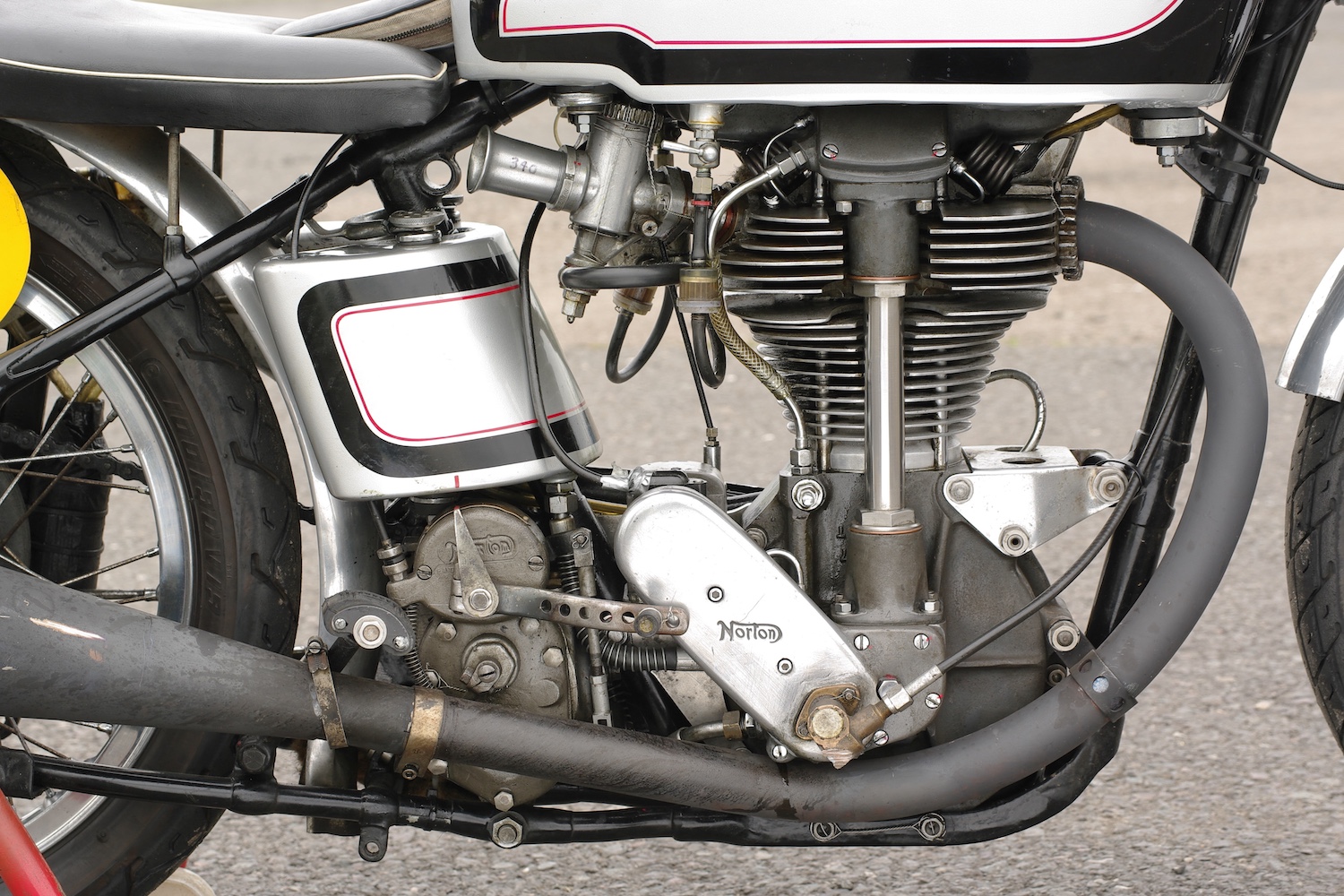
Squeezed as an interim measure into the plunger-sprung Garden Gate chassis of the existing single-cam Manx (the legendary McCandless-designed Featherbed frame wouldn't appear for another year), the twin-cam Norton 500 was powerful enough to enable Mathews to win at record speed.
He averaged 88.55 mph including stopping at half-distance for fuel, to defeat the factory 750cc Harley-Davidson and Indian V-twins as well as Triumph and BSA, both of which had now joined in to try to offset their rival British marque’s growing prestige in the USA.
Klamfoth won again on an identical bike in 1951 at a record speed of 92.50mph, after Mathews was refused entry to the USA by American immigration officials at Niagara Falls on his way to compete in the Florida race, as a result of being deemed to have Communist persuasions in that McCarthyite era by being an active supporter of the local Labour Party.
The Last Laugh
Klamfoth’s win came despite the AMA refusing to let Norton equip the bikes with its new lighter, better-handling Featherbed frame, by now in production, and they maintained this refusal for ‘52 when, although Beart stayed in England, Dick Klamfoth won again, to complete his personal hat-trick of victories and four successive Daytona 200 wins for Norton, with a bike still fitted with the obsolete Garden Gate frame – so called because its plunger rear suspension gave the impression of the metal frame swinging on a hinge. It handled like one, too.
This win gave the British manufacturer and their American rider the last laugh, in overcoming what seemed to be a home town decision to help out Harley and Indian, albeit in a race Dick nearly missed.
The Race Klamfoth Almost Missed
The 200-miler was supposed to have been postponed by 24 hours because of wet conditions, so Klamfoth decided to spend the day fishing. When he stopped at a local restaurant to pick up some sandwiches for the boat trip, a fan recognized him with his signature blond goatee beard, and asked how he thought he'd do in the race later that day.
Klamfoth replied, "Don't you mean tomorrow?"
The fan showed Dick that day’s newspaper headlines, which reported that conditions had improved, and the race was now going to be run as originally scheduled. Klamfoth rushed back to the Norton garage in downtown Daytona, only to find that the team had left for the Beach figuring that he wasn't going to show up.
Fortunately, they’d left his race bike behind, so Klamfoth scrambled into his racing leathers, hopped on the Norton racer, and sped off to the Beach Course through raceday traffic, to arrive on the starting line just minutes before the race began.
Doubtless tuned up nicely by the speedy run from town, he led the race from start to finish, setting a new lap record of 92.50 mph on his first flying lap despite a full load of gas, to score his third Daytona 200 victory.
The Beart Advantage
This time around, Indian surely didn't mind too much that the British DOHC 500cc single had defeated its 750cc flathead V-twins, for by then it had been appointed as the US distributor for Norton, and indeed it was Indian race boss Jimmy Hill who’d prepared Klamfoth’s winning bike.
But the series of Norton victories was due as much as anything to the various aspects of Francis Beart's methodical planning, especially the ultra-fast pit stops for refuelling.
For Beart was the first to develop an early version of the dump cans which are now the norm for replenishment in long distance Endurance racing today, using a bathplug attached to a chain which, when yanked, delivered four gallons of fuel to the tank and thus allowed 12-second pits stops, over a third of the time of Norton’s rivals.
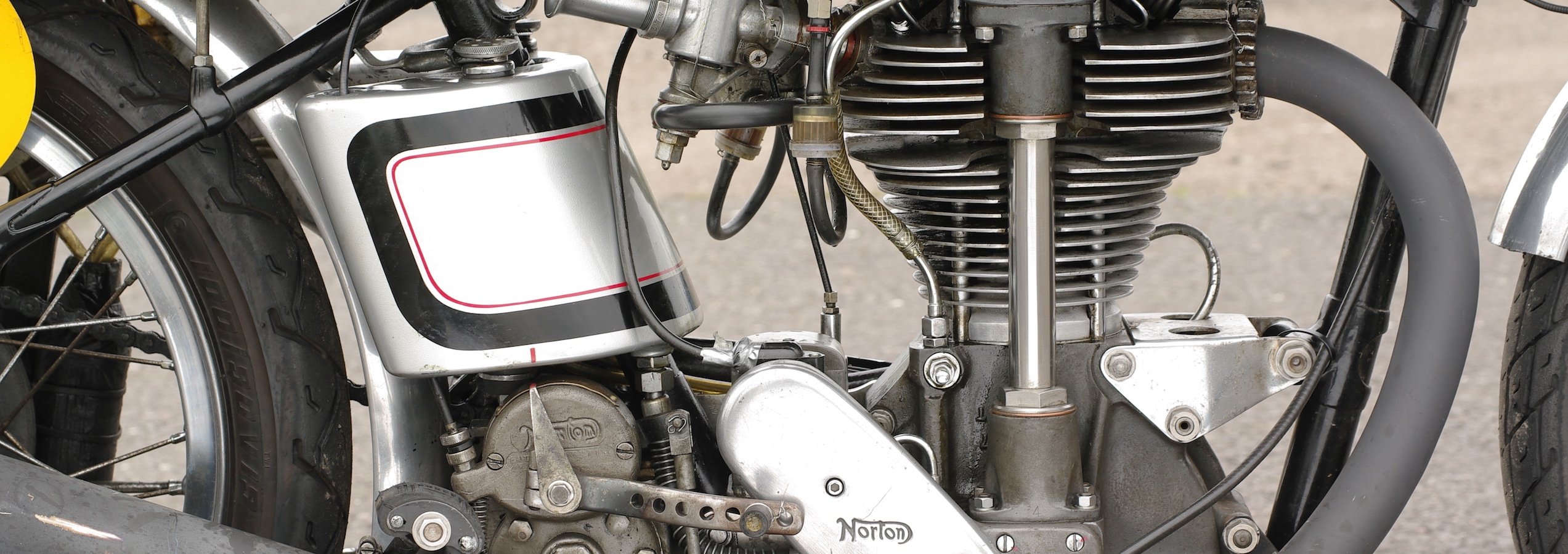
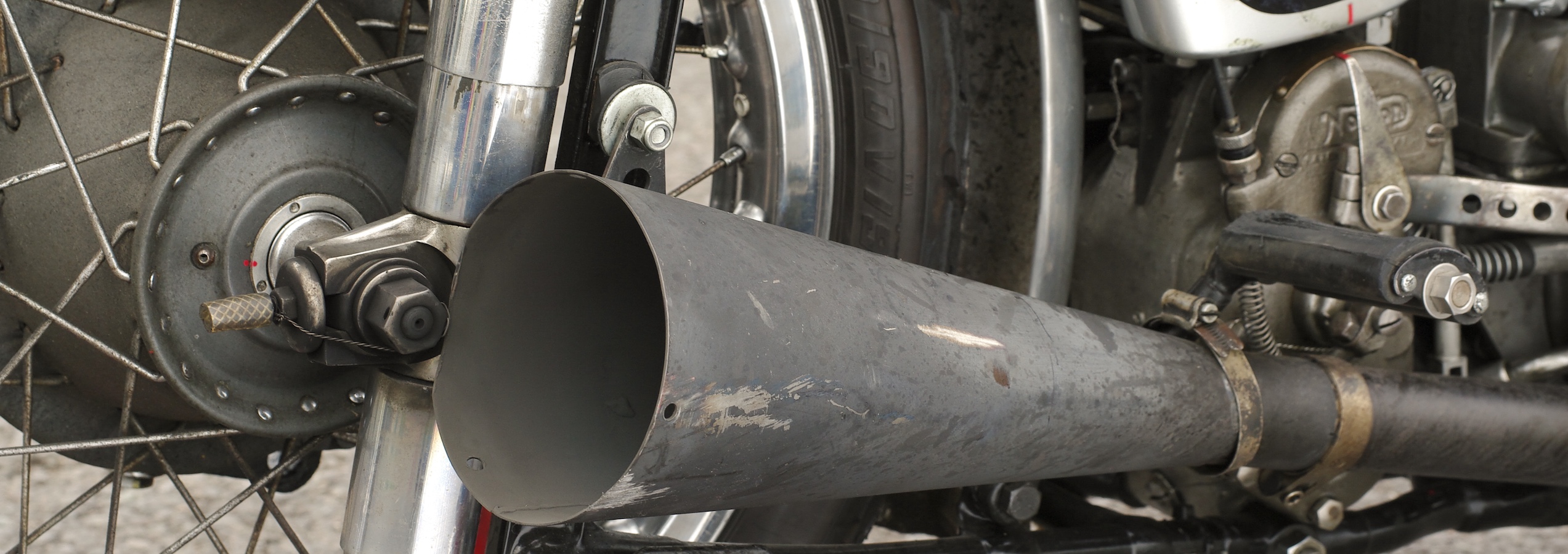
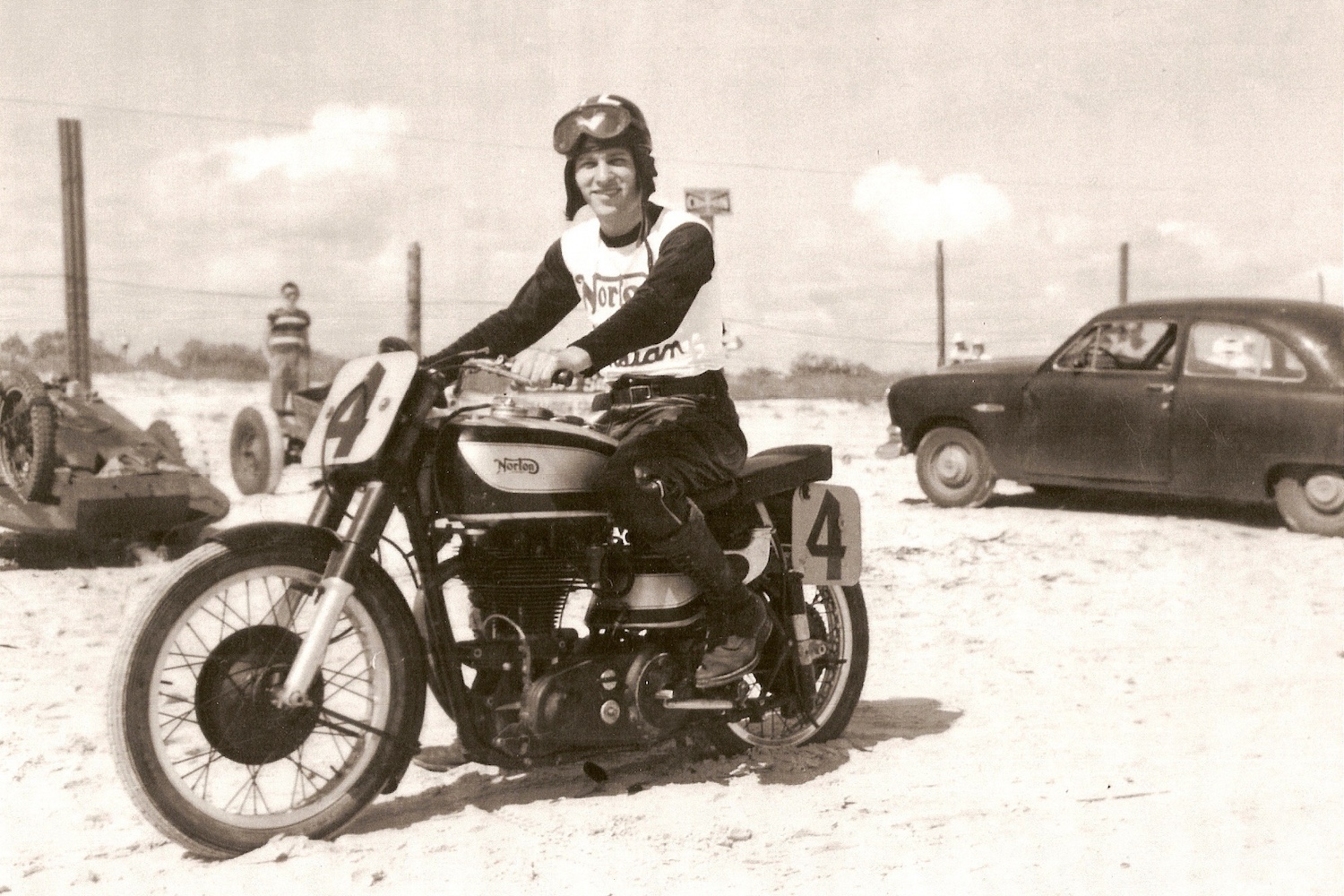
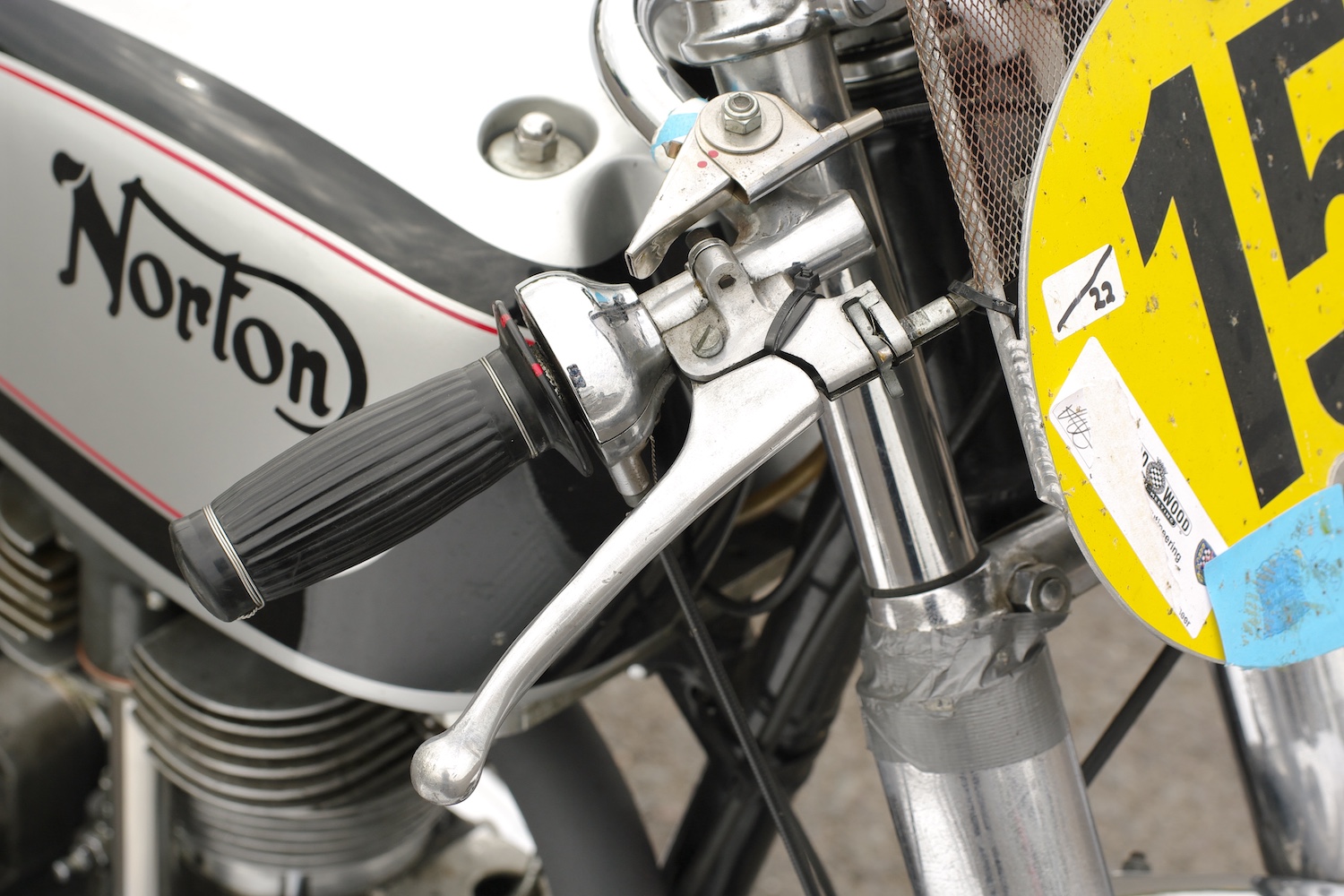
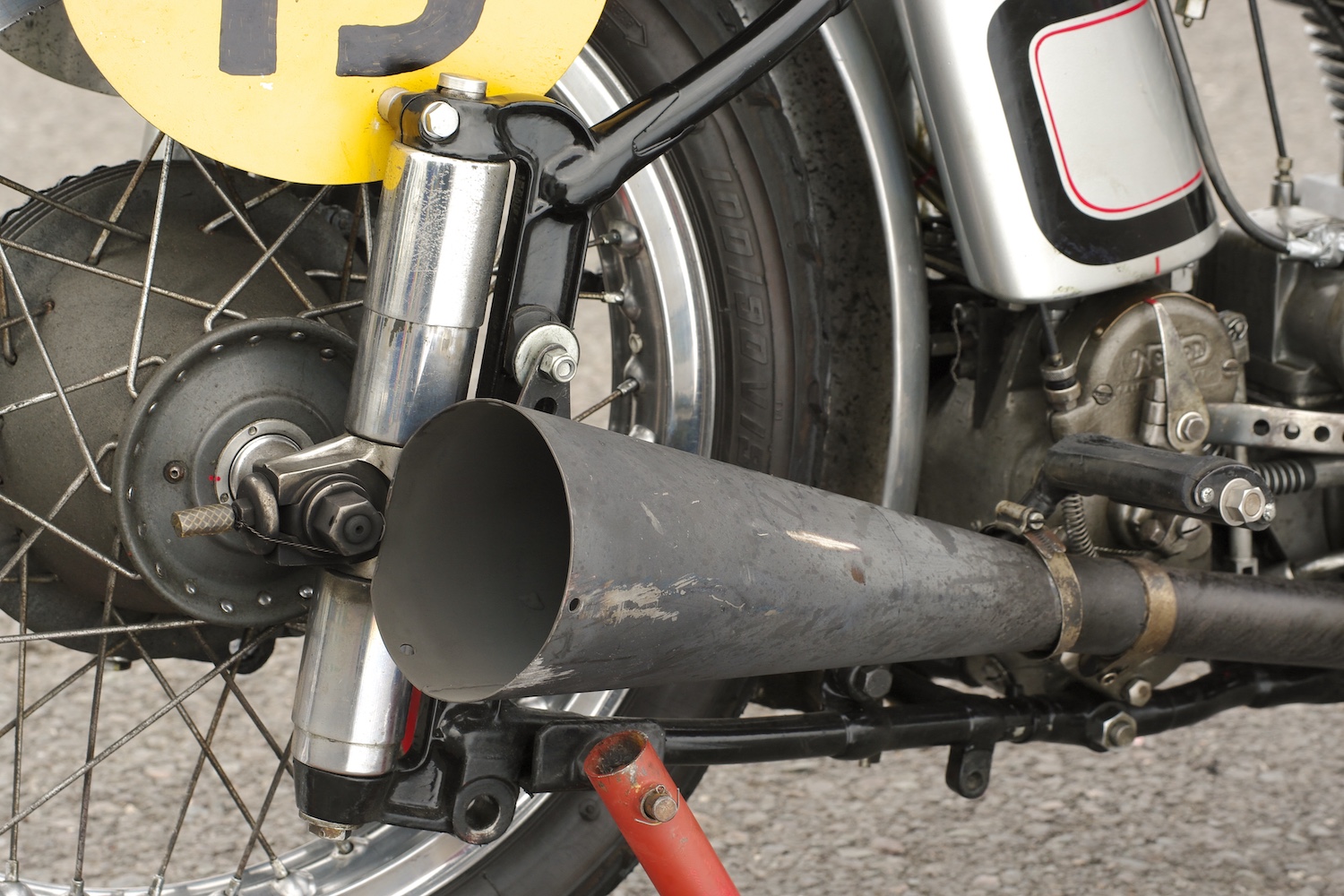
He’d also made a host of detail modifications to the bikes to counter the unique challenges imposed by the combined sand and tarmac course, from enclosed primary chains and drip-fed lubrication of the rear chains to ward off the sand’s corrosive effect, through radial fins welded to the pressure plate to act as a fan in cooling the enclosed clutch, to a specially-adapted International-model street gearbox with a more usable, much higher, bottom gear, and fitted with a kick-start to satisfy AMA requirements – even though the race began with a rolling start.
Beart thoroughly deserved the special gilt trophy he was awarded as the 'Victorious Mechanic' on his bikes' third victory in 1951 – a trophy he donated to the UK’s Classic Racing Motorcycle Club/CRMC on its foundation in 1979, and is today awarded annually for the best performance by a CRMC member in international Historic competition outside the UK.
A British Breakthrough
Despite the dice being loaded against them by AMA technical rules which restricted overhead-valve engines to a maximum of 500cc, against a 50 per cent greater 750cc capacity ceiling for the rival American side-valve bikes, Norton’s wins paved the way for future victories by BSA and Triumph, before the playing field was leveled to an outright 750cc capacity ceiling for all motorcycles 20 years later.
Indeed, in some ways Norton’s Daytona dominance outranks its success in Grand Prix racing, with a single 500cc World Championship in 1951 for Norton-mounted Geoff Duke, and two 350cc World titles in 1951/52, before he switched to Gilera to earn a further trio of 500cc crowns aboard the Italian multis.
Norton’s little-remembered quintet of Daytona 200 race victories on the old Beach Course marked the first time that European motorcycles had successfully challenged the transatlantic dominance of Harley-Davidson and Indian in American competition, and represented the start of a similar success story for British manufacturers in showroom sales charts in the USA.
It was a very proud chapter in the long history of Britain’s most famous sporting marque.
Dick Klamfoth – The Man Who Made Daytona History
Born in 1928, Dick Klamfoth was no overnight sensation, for before going racing on Daytona Beach the farm boy from Groveport, Ohio had graduated from high school in 1946, and begun competing in local enduro races aka ‘Hare and Hounds’ on a 61ci Harley-Davidson. There, he caught the eye of a Columbus, Ohio Norton dealer who told Klamfoth he should try dirt track racing. Dick convinced a couple of friends who co-owned a racing Harley to give him a shot on it, and spent hours practicing his dirt riding technique racing through the apple orchards near his home. He progressed quickly through the Novice and Amateur ranks, and the year before winning his first Daytona 200 he finished second on the Beach Course in the 1948 100-mile Amateur race riding a Norton supplied by the same Columbus dealer who’d urged him to start racing.
As a rookie Expert, Klamfoth didn't expect to set any records in the 1949 Daytona 200, but he did just that. Riding conservatively in the beginning, Dick steadily forged his way through the field to lead a Norton 1-2-3 finishing sweep, winning the 200-miler as a rookie at a record average speed of 86.42 mph, with Canadian teammate Billy Mathews second, and Tex Luse third. "I didn't try to break any records early on,” said Klamfoth after the race. “With over 150 bikes on the course the traffic was pretty thick, and I just wanted to stay out of trouble. The Harleys and Indians had more horsepower, and would pull past me on the soft sand of the Beach side. But the Norton had a lot more top speed back down the paved highway side, and I'd really fly past people there." Later that summer Klamfoth proved that taking victory at Daytona was no rookie fluke by finishing second at the Langhorne, Pa. 100-Mile National, and winning an international race at Wasaga Beach in Ontario, Canada.
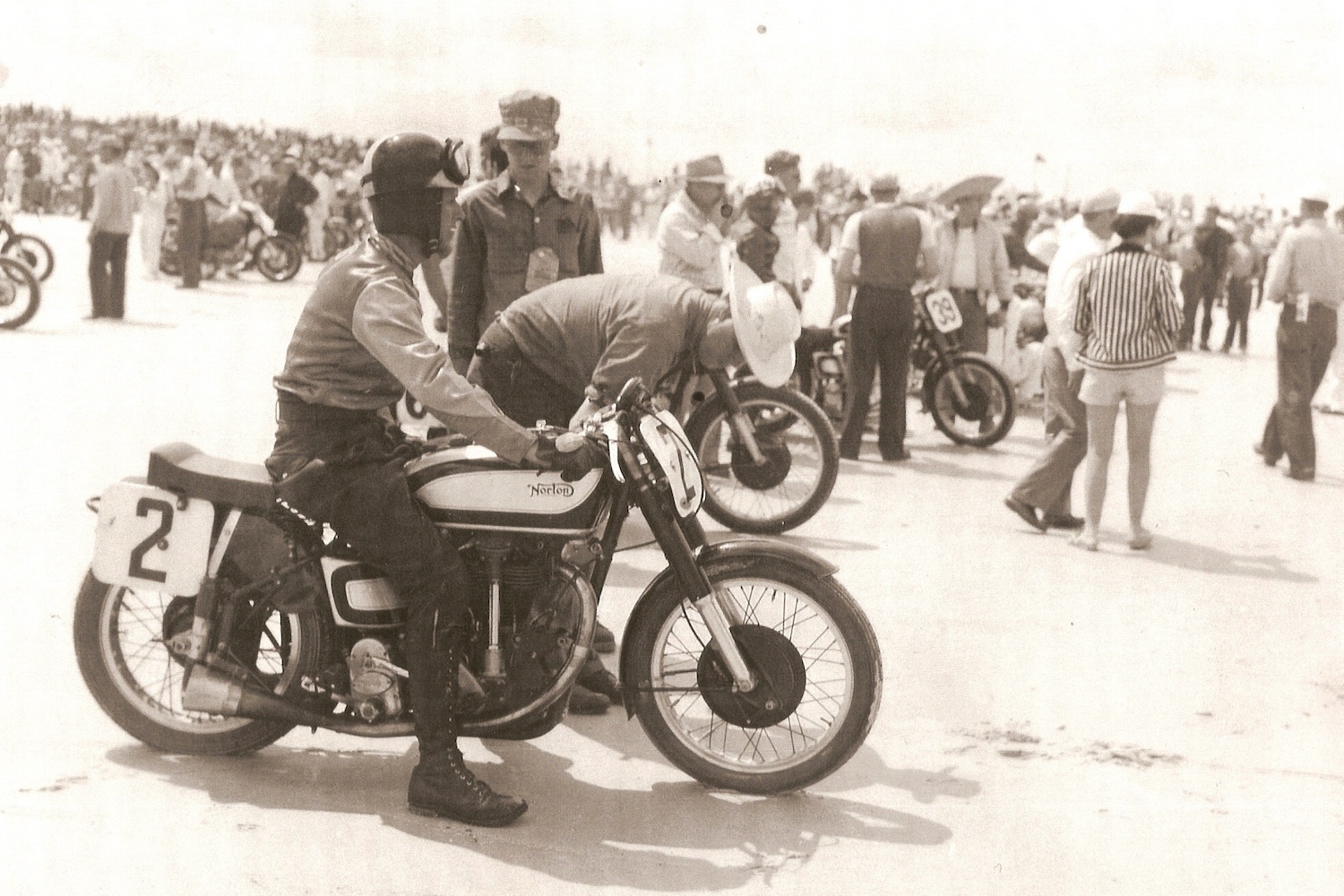
Dick Klamfoth and Francis Beart were a dream team, each a skilful and precise practitioner of his trade. “After the practices on the Beach and runs along Route 1 to tune the Norton to its optimum performance, we would truck the motorcycle south towards New Smyrna Beach,” recalled Klamfoth. “Francis would fire up the machine, and I would ride it flat out for about 7 miles northwards on the sand towards Daytona Beach. At about 130 mph with the sea to my right, it was undoubtedly the most exciting experience on a motorcycle I have ever had. Provided Francis was happy with the colour of the combustion chamber - he never relied on a ‘plug chop’, but would lift the cylinder head to look inside - that was our final preparation before the race”.
In 1950 Klamfoth earned five AMA podium finishes, including winding up second at Daytona - but 1951 was his most successful season. He began with a repeat victory in the Daytona 200, and followed that up with AMA National wins at the half-mile ovals in Richmond, Va., and Shreveport, La., as well as taking victory in the Laconia Classic road race, all as ever on Nortons. Klamfoth set a new record by winning his third Daytona 200 in March 1952, after narrowly avoiding non-starting [see History article] His record of three Daytona 200-mile wins was tied, but not broken until 1998, when Scott Russell took his fourth Daytona 200 victory. Klamfoth raced throughout the 1950s, then went into semi-retirement after the 1962 season – though he did venture back to Daytona in 1964 so he could finally race on the high banking of the super Speedway. In that, his final Pro race, Dick Klamfoth took a very credible fifth place finish on a Matchless G50, rounding off his racing career with a total of 12 AMA National victories and one international race win.
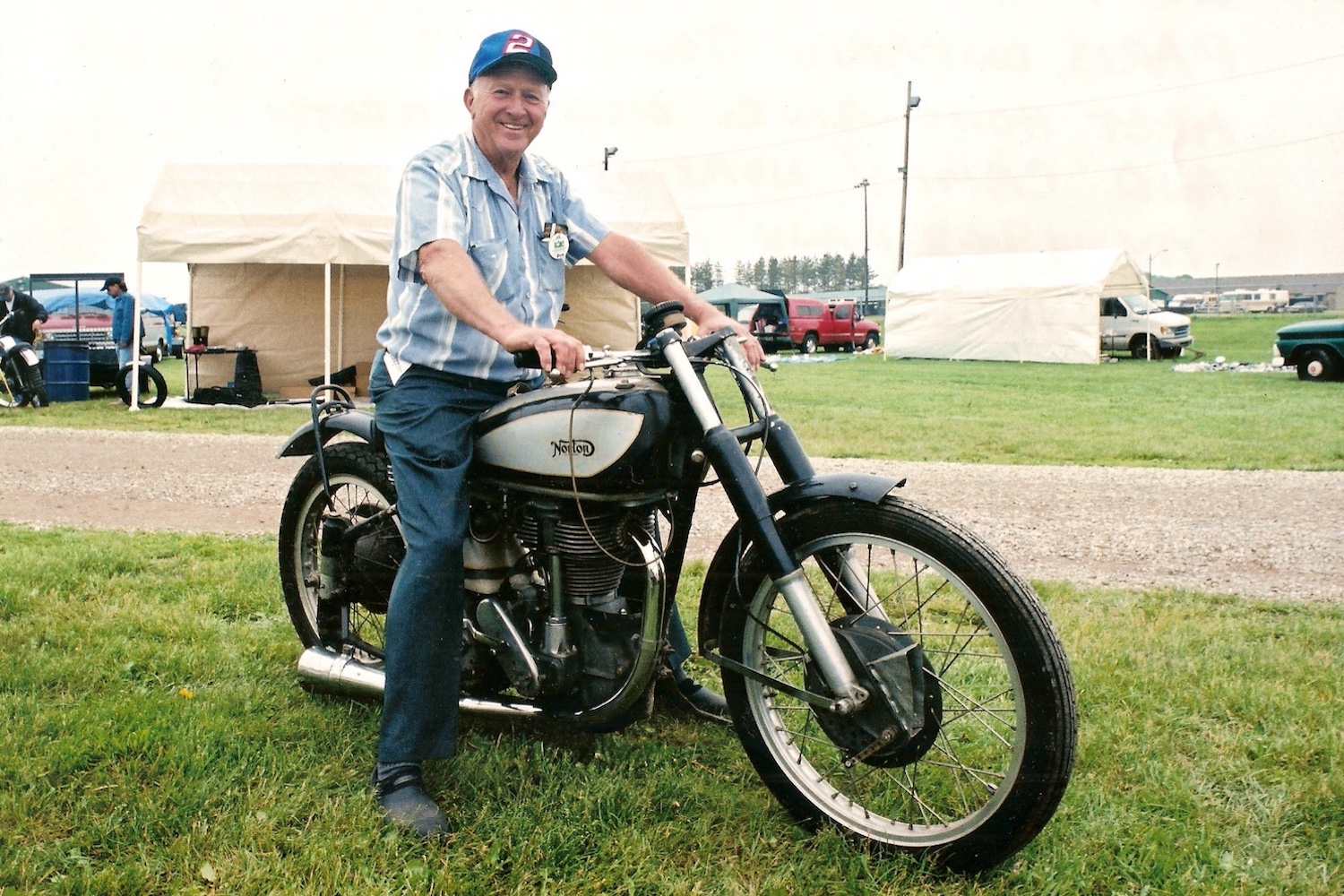
As astute a businessman as he was a racer, Dick Klamfoth became the first Honda motorcycle dealer east of the Mississippi, later becoming one of the USA’s largest motorcycle dealers for any brand. He also promoted AMA National Motocross races at his Central Ohio Honda Hills complex. He retired from business in 1989, and was inducted into the Motorcycle Hall of Fame in 1998. Together with his wife Beverly, Dick led the campaign to create the Daytona 200 Monument which was unveiled in 2002 beside the Beach in downtown Daytona, to commemorate the legendary Beach Course which put Daytona on the map as the World Center of Speed. Dick Klamfoth passed away in December 2019, aged 91.
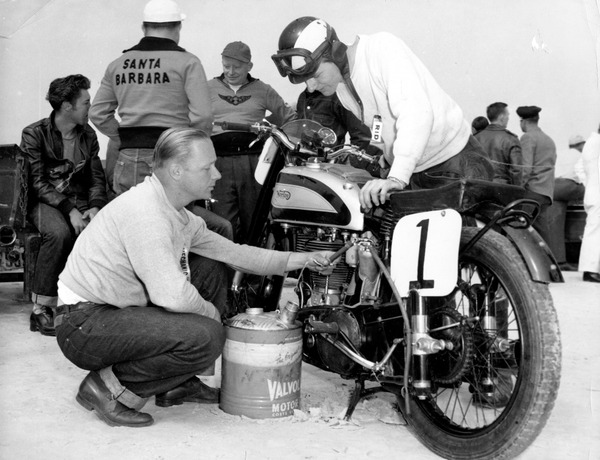
1948 - Clarence Czysz tuning 100-mileAmateur race-winner Don Evans' Manx Norton at...
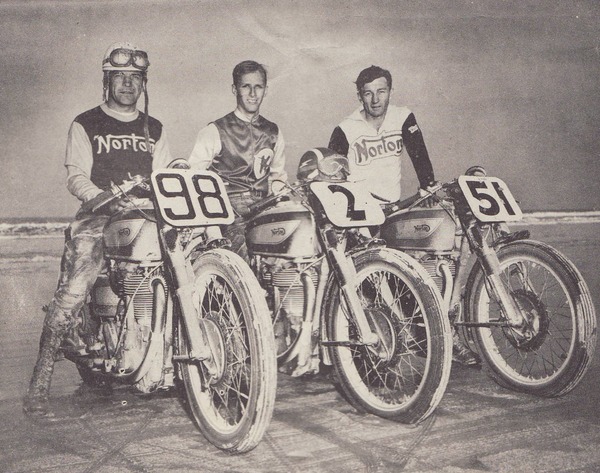
1950 Daytona 200 Norton works team: winner Bill Mathews, second-placed Dick Klamfoth,...
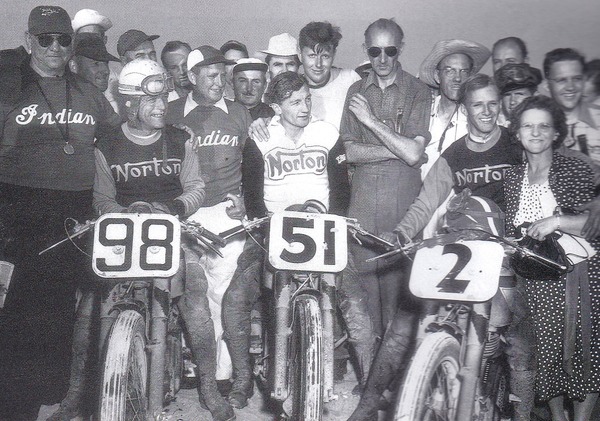
1950 Daytona 200 Bill-Mathews-(number 98), Bill Tuman (number 51) and Dick-Klamfoth...
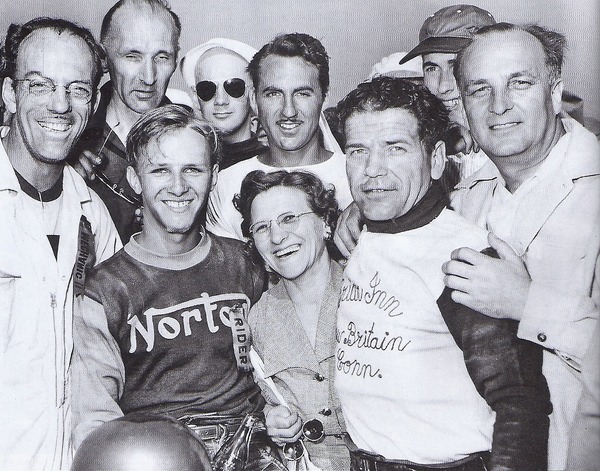
The victorious Norton team at the 1950 Daytona 200, with winner Dick Klamfoth (second...
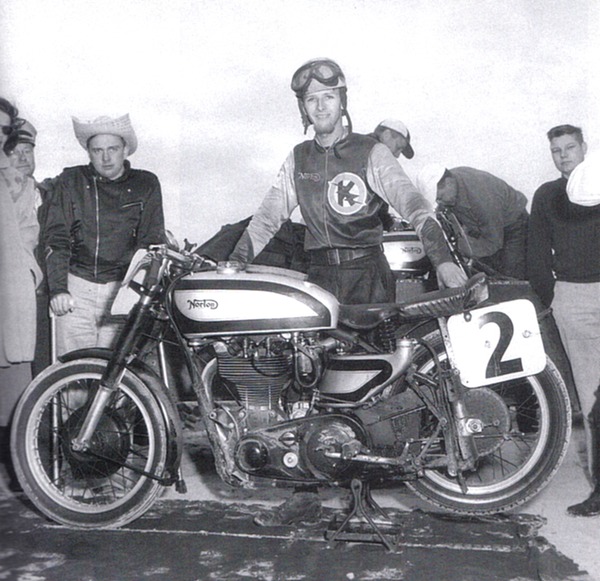
1951 Daytona 200 winner Dick Klamfoth on his Norton Manx, with plunger suspension
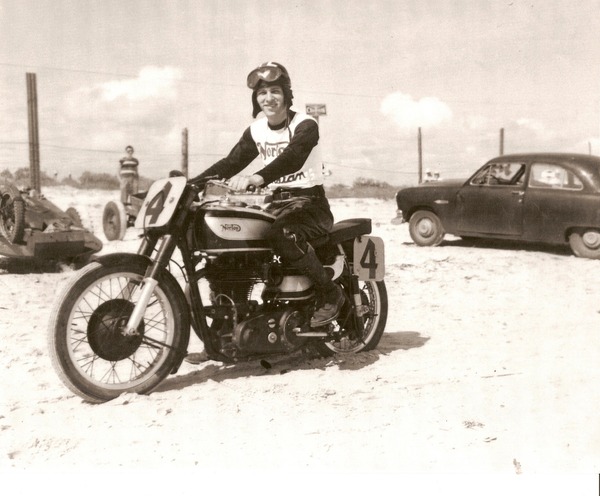
Dick Klamfoth prepares for the 1951 Daytona 200
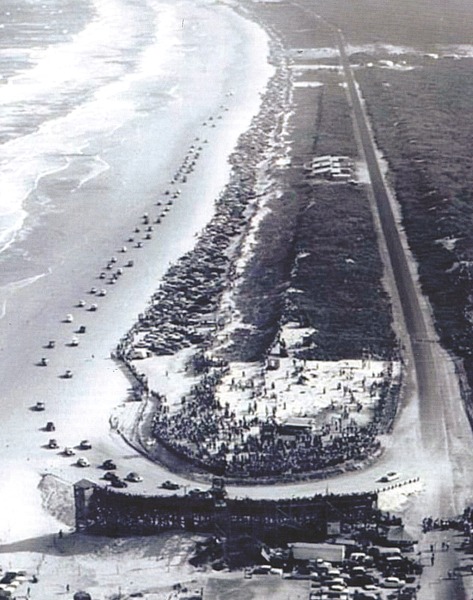
1952 Daytona Beach Course
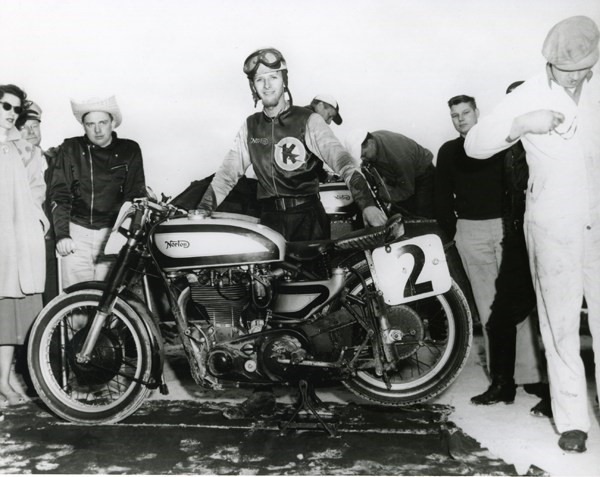
Dick Klamfoth after winning the 1952 Daytona 200
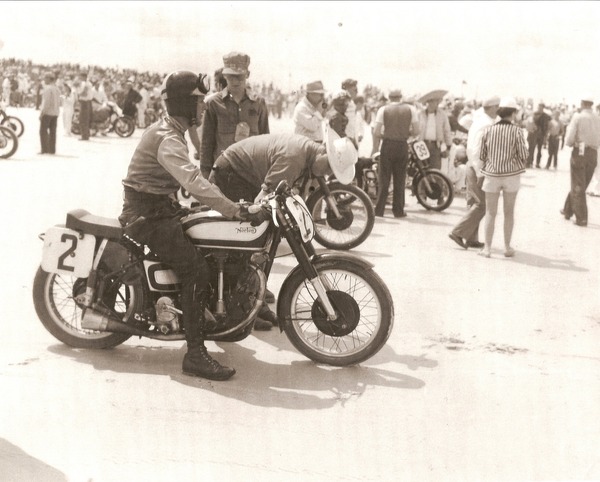
Dick Klamfoth at start of the 1952 Daytona 200
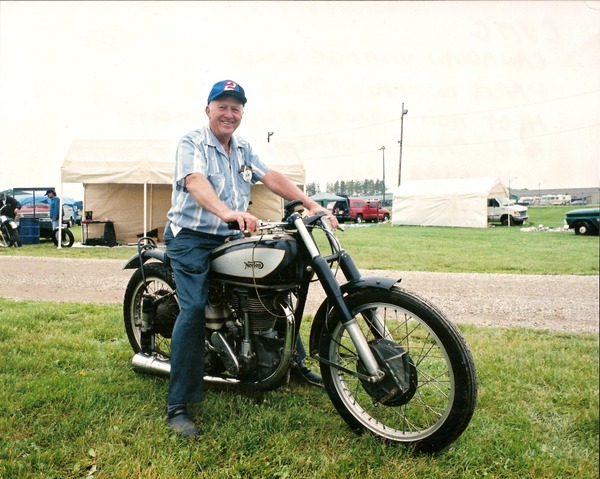
Dick Klamfoth on a Manx Norton Daytona at the 2008 American Historic Racing Motorcycle...
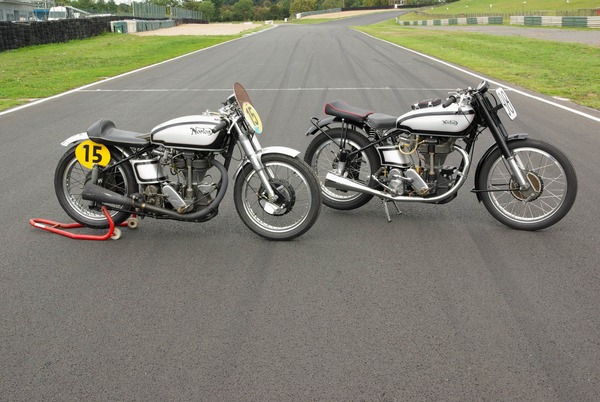
Norton Daytona Manx
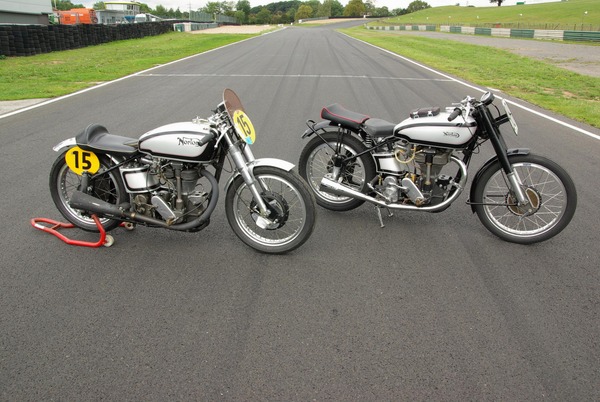
Norton Daytona Manx
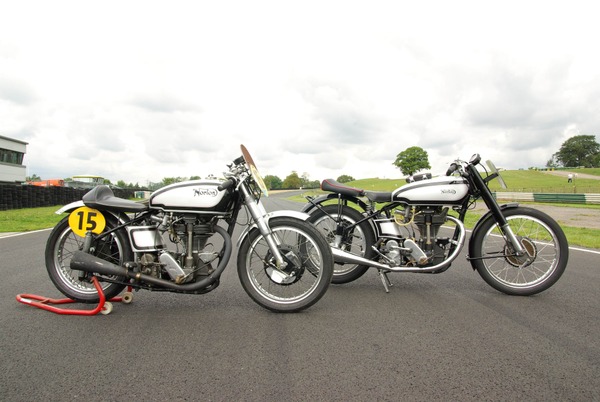
Norton Daytona Manx
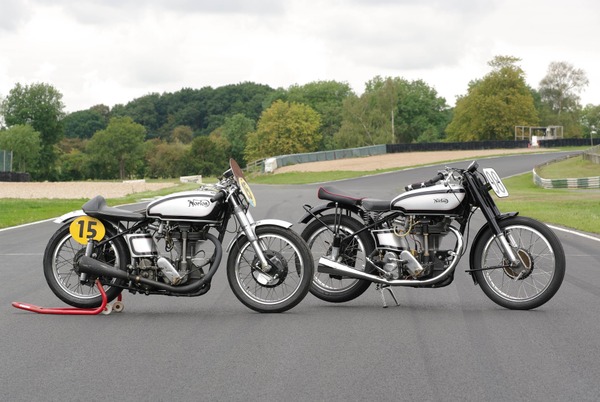
Norton Daytona Manx
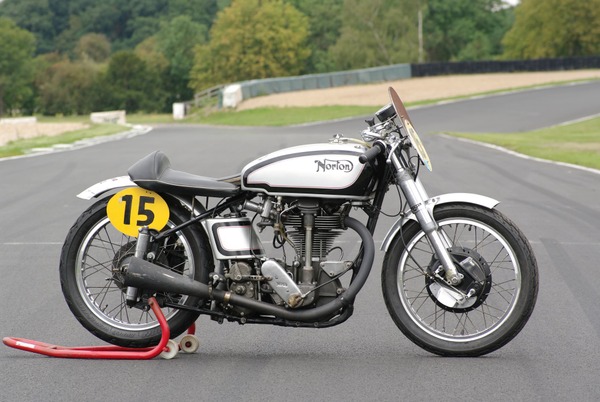
Norton Daytona Manx
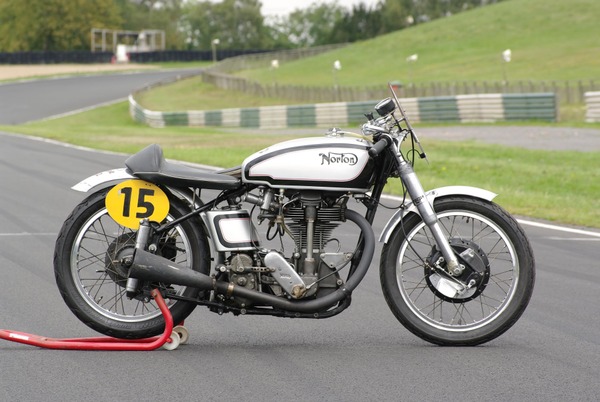
Norton Daytona Manx
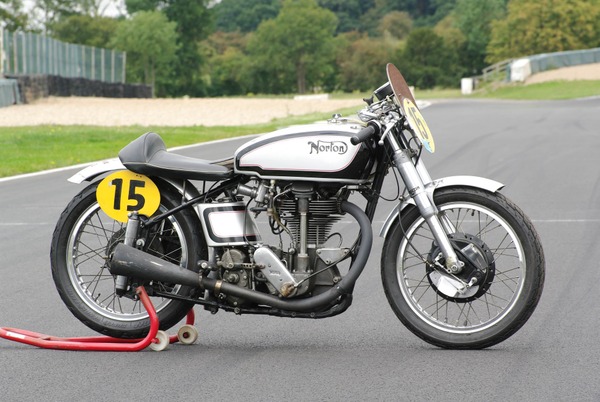
Norton Daytona Manx
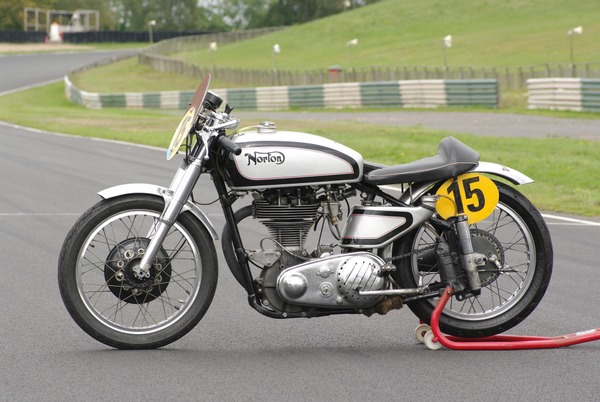
Norton Daytona Manx
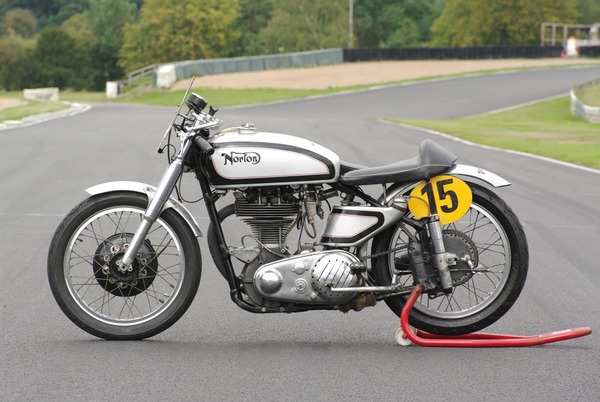
Norton Daytona Manx
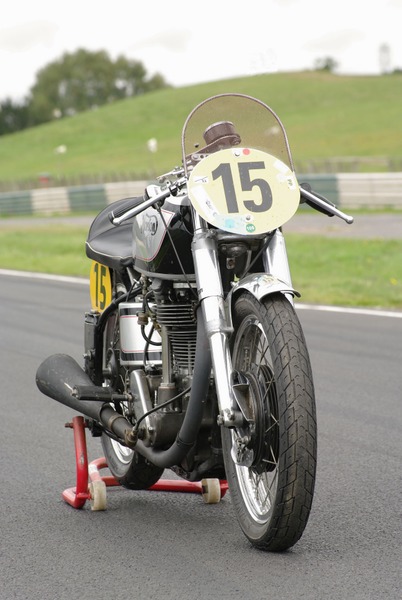
Norton Daytona Manx
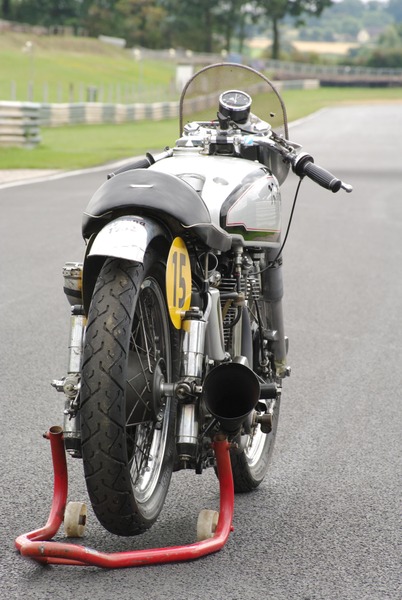
Norton Daytona Manx
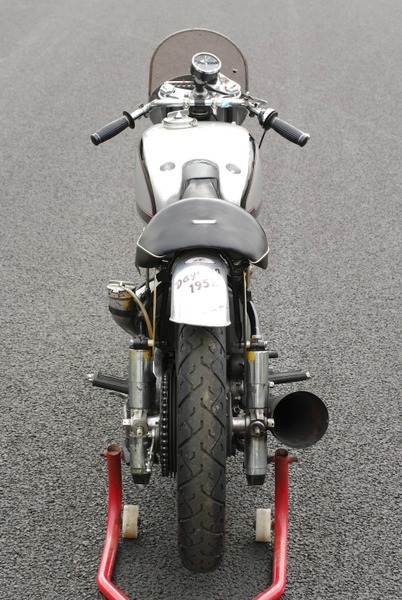
Norton Daytona Manx
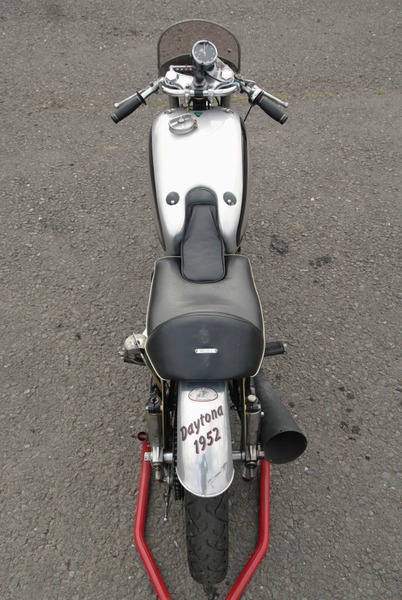
Norton Daytona Manx
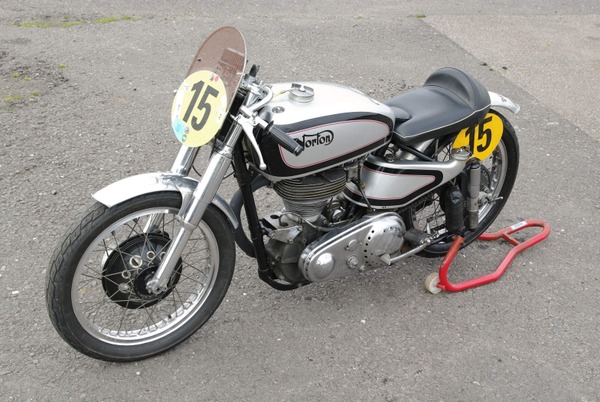
Norton Daytona Manx
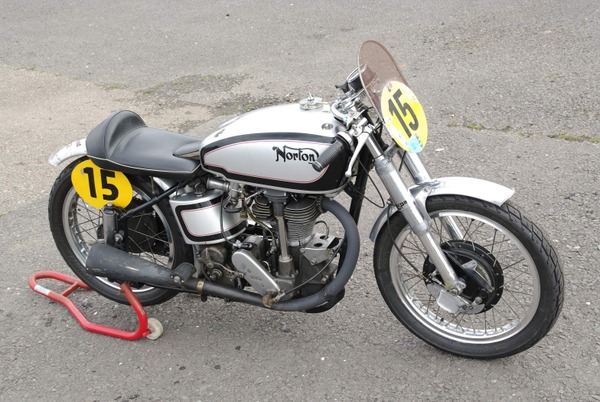
Norton Daytona Manx
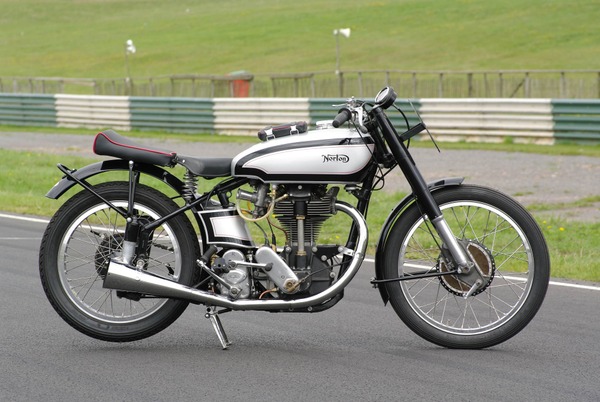
Norton Daytona Manx
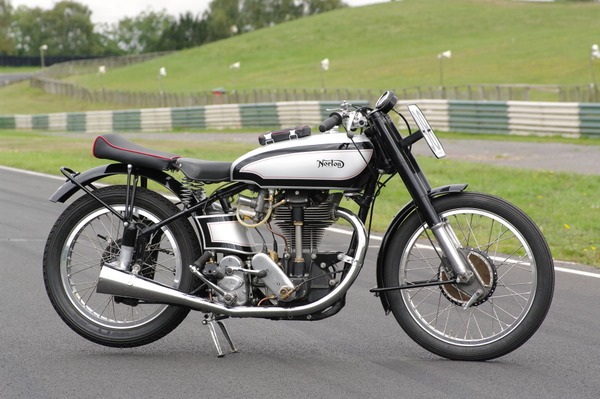
Norton Daytona Manx
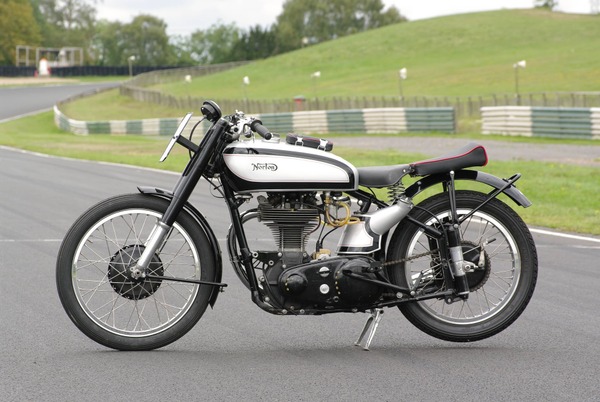
Norton Daytona Manx
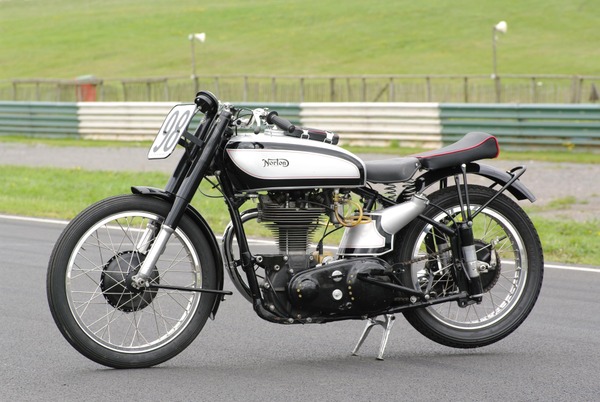
Norton Daytona Manx
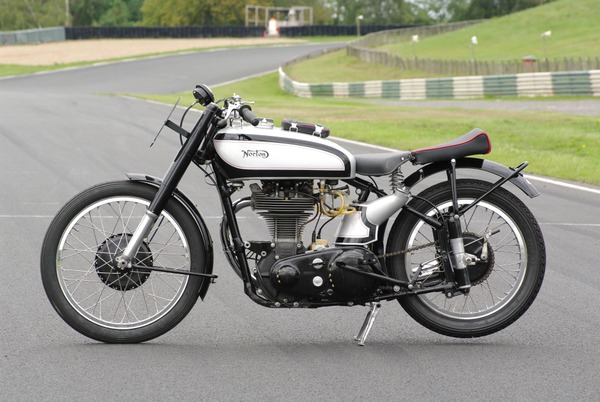
Norton Daytona Manx
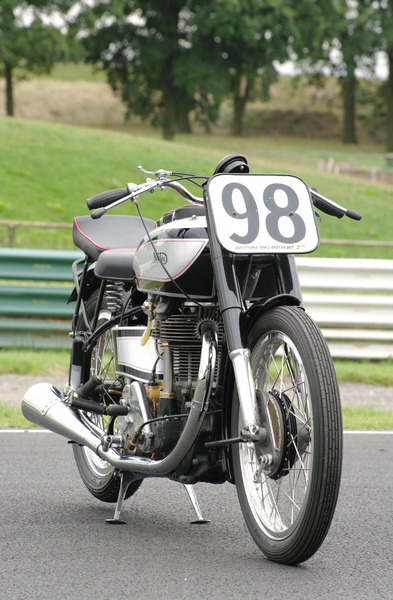
Norton Daytona Manx
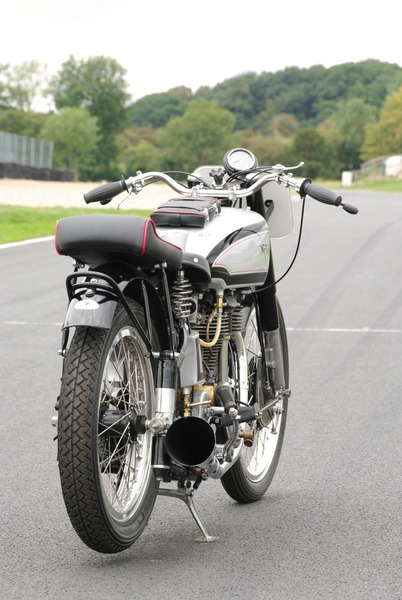
Norton Daytona Manx
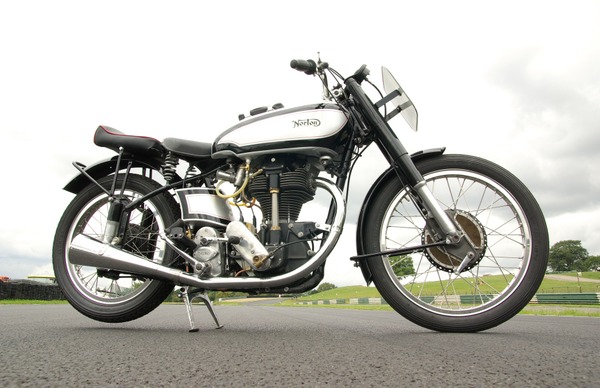
Norton Daytona Manx
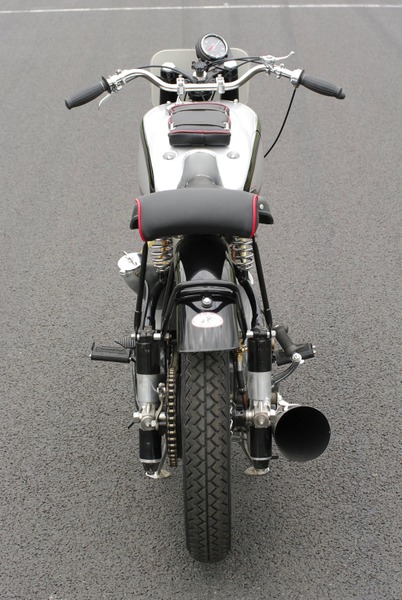
Norton Daytona Manx
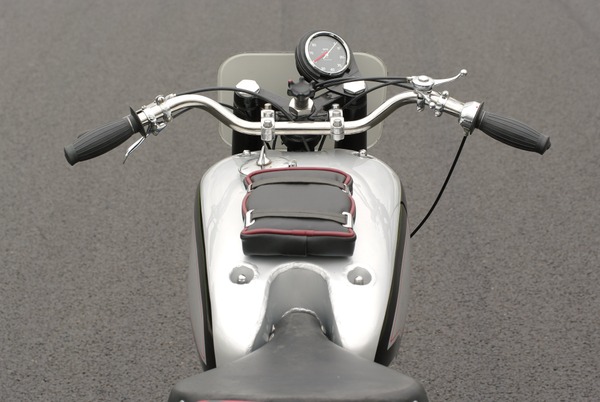
Norton Daytona Manx
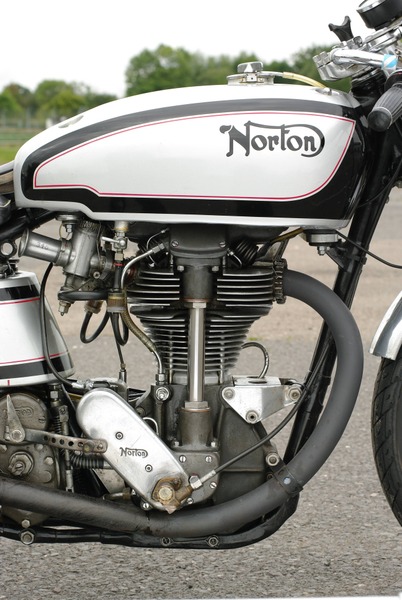
Norton Daytona Manx
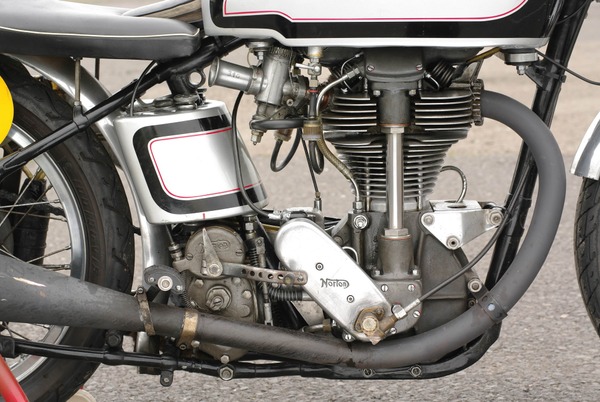
Norton Daytona Manx
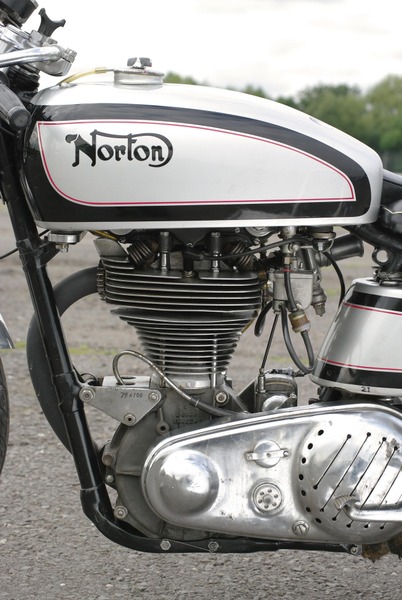
Norton Daytona Manx
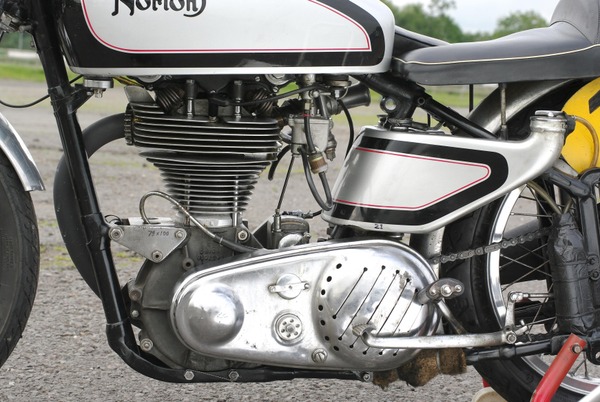
Norton Daytona Manx
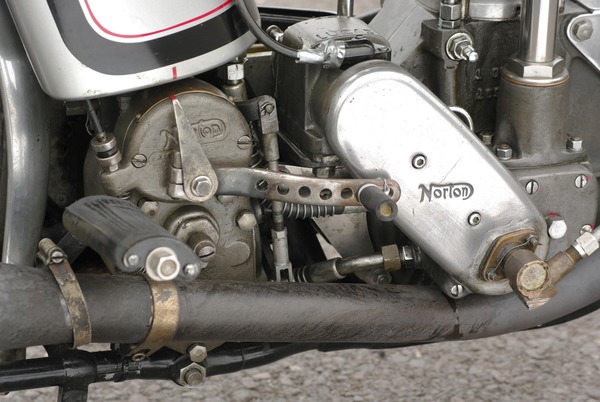
Norton Daytona Manx
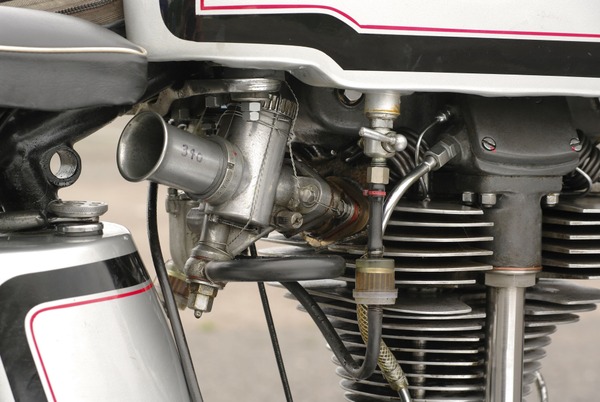
Norton Daytona Manx
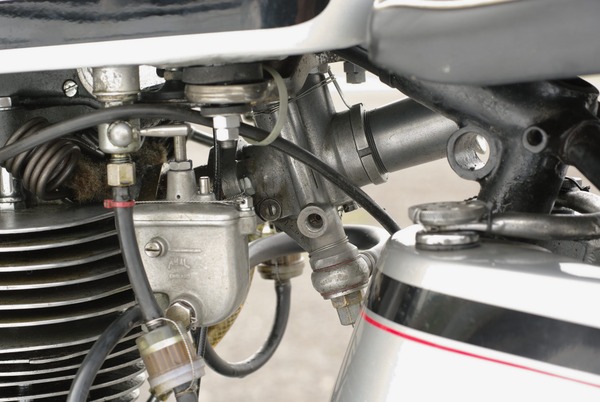
Norton Daytona Manx
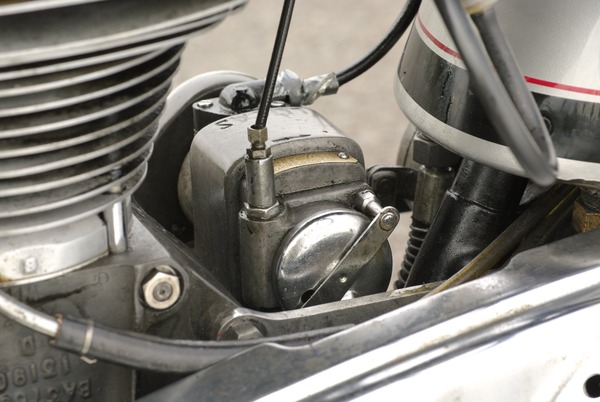
Norton Daytona Manx
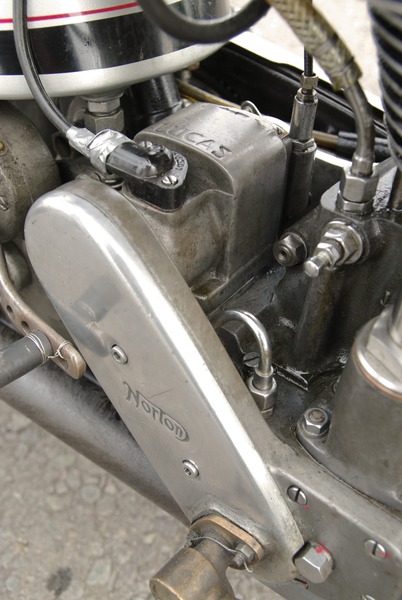
Norton Daytona Manx
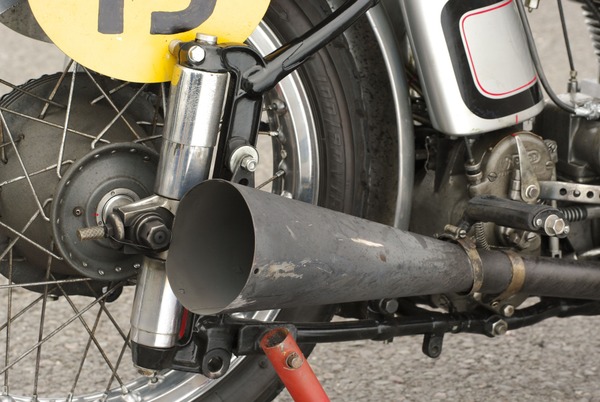
Norton Daytona Manx
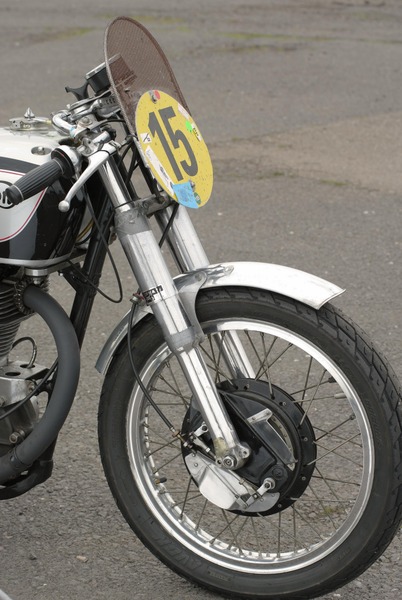
Norton Daytona Manx
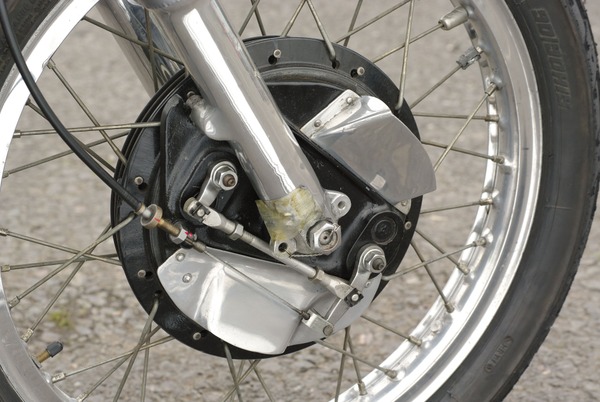
Norton Daytona Manx
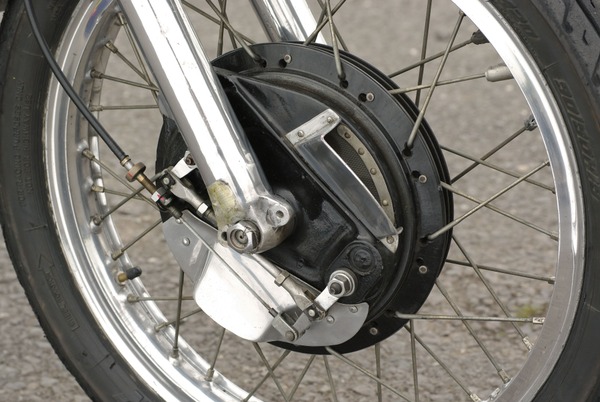
Norton Daytona Manx
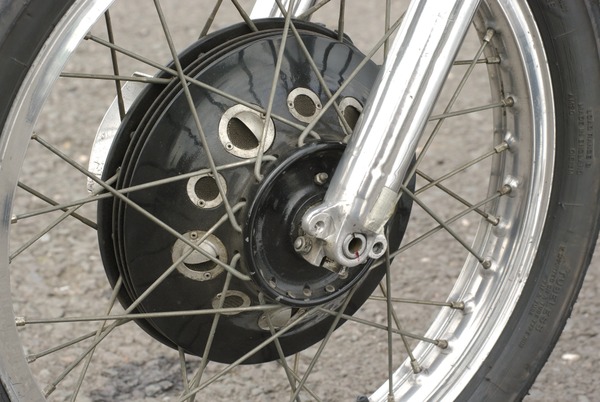
Norton Daytona Manx
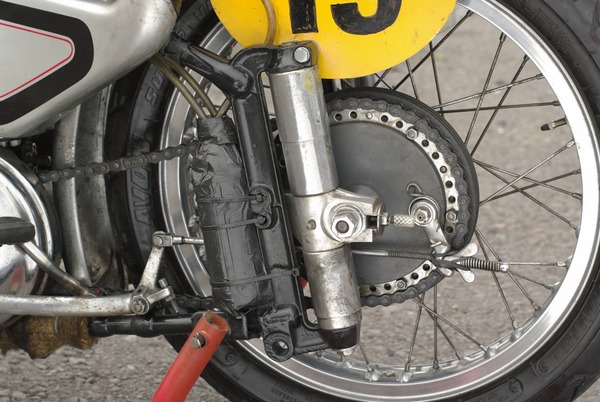
Norton Daytona Manx
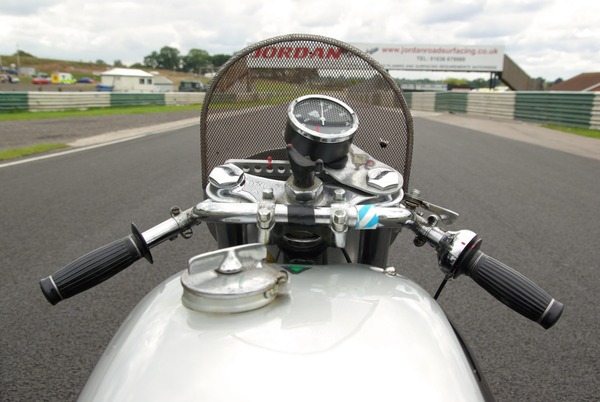
Norton Daytona Manx
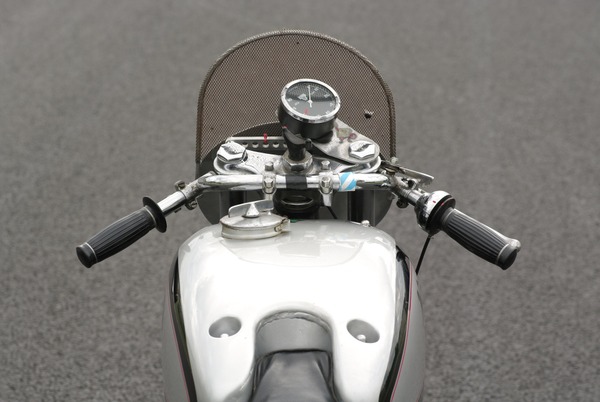
Norton Daytona Manx
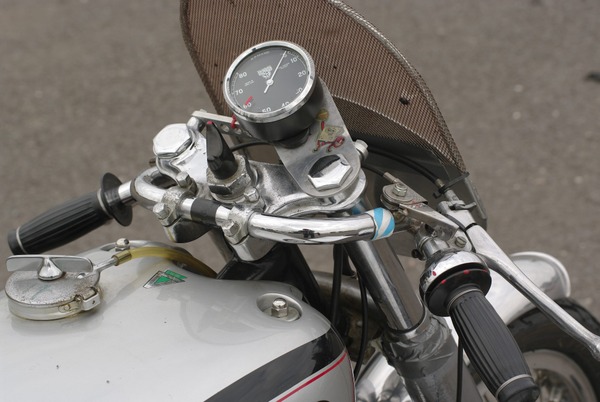
Norton Daytona Manx
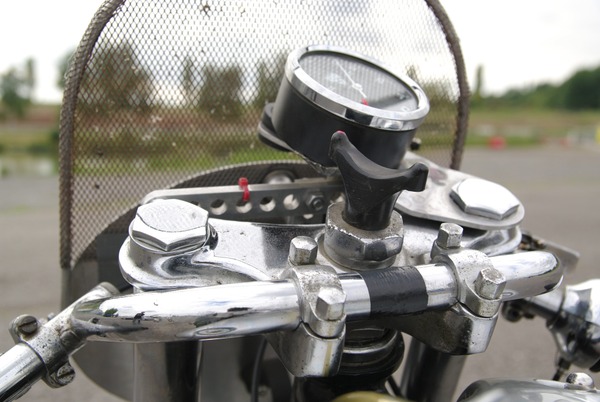
Norton Daytona Manx
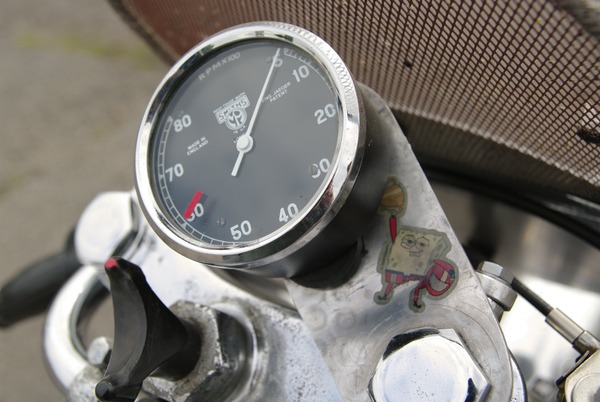
Norton Daytona Manx
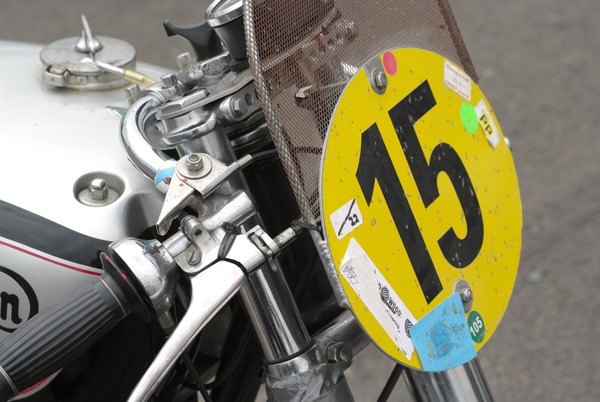
Norton Daytona Manx
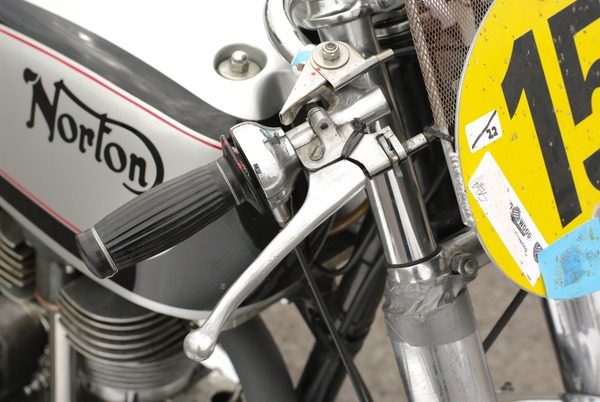
Norton Daytona Manx
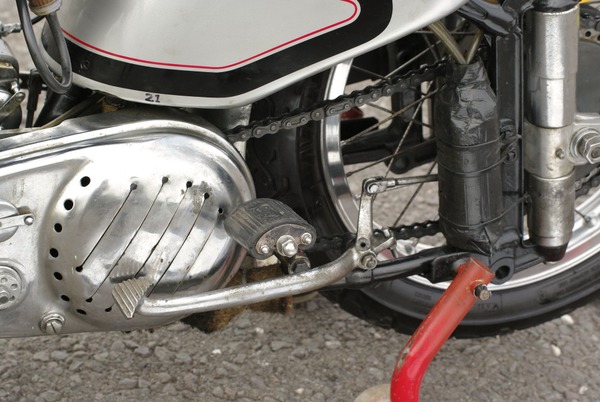
Norton Daytona Manx
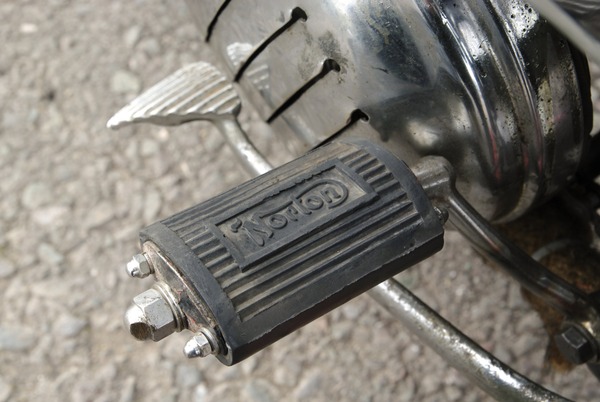
Norton Daytona Manx
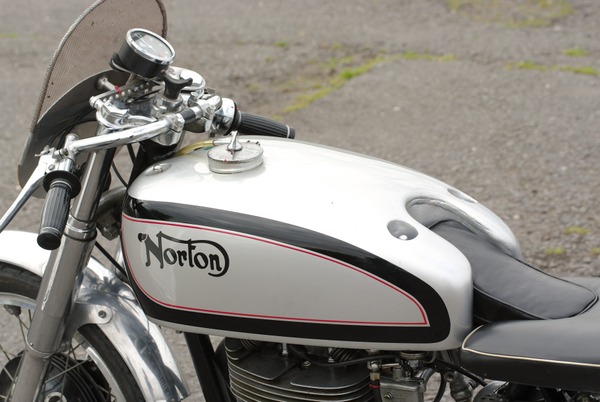
Norton Daytona Manx
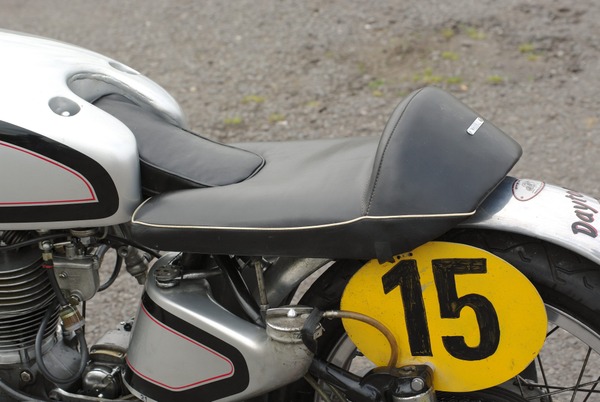
Norton Daytona Manx
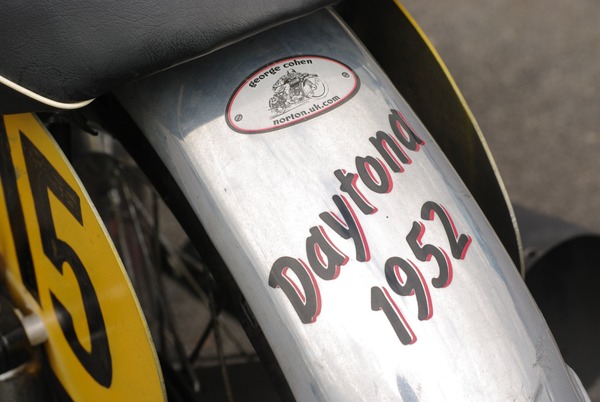
Norton Daytona Manx
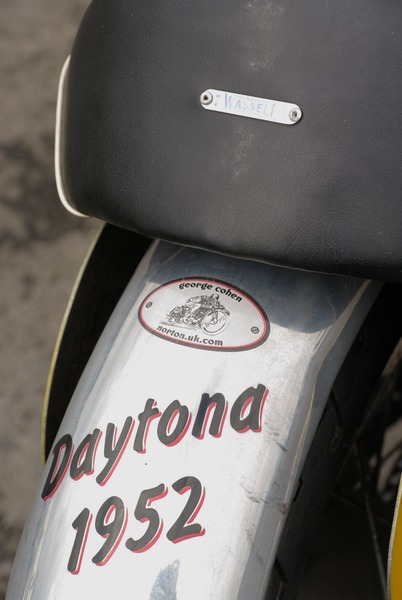
Norton Daytona Manx